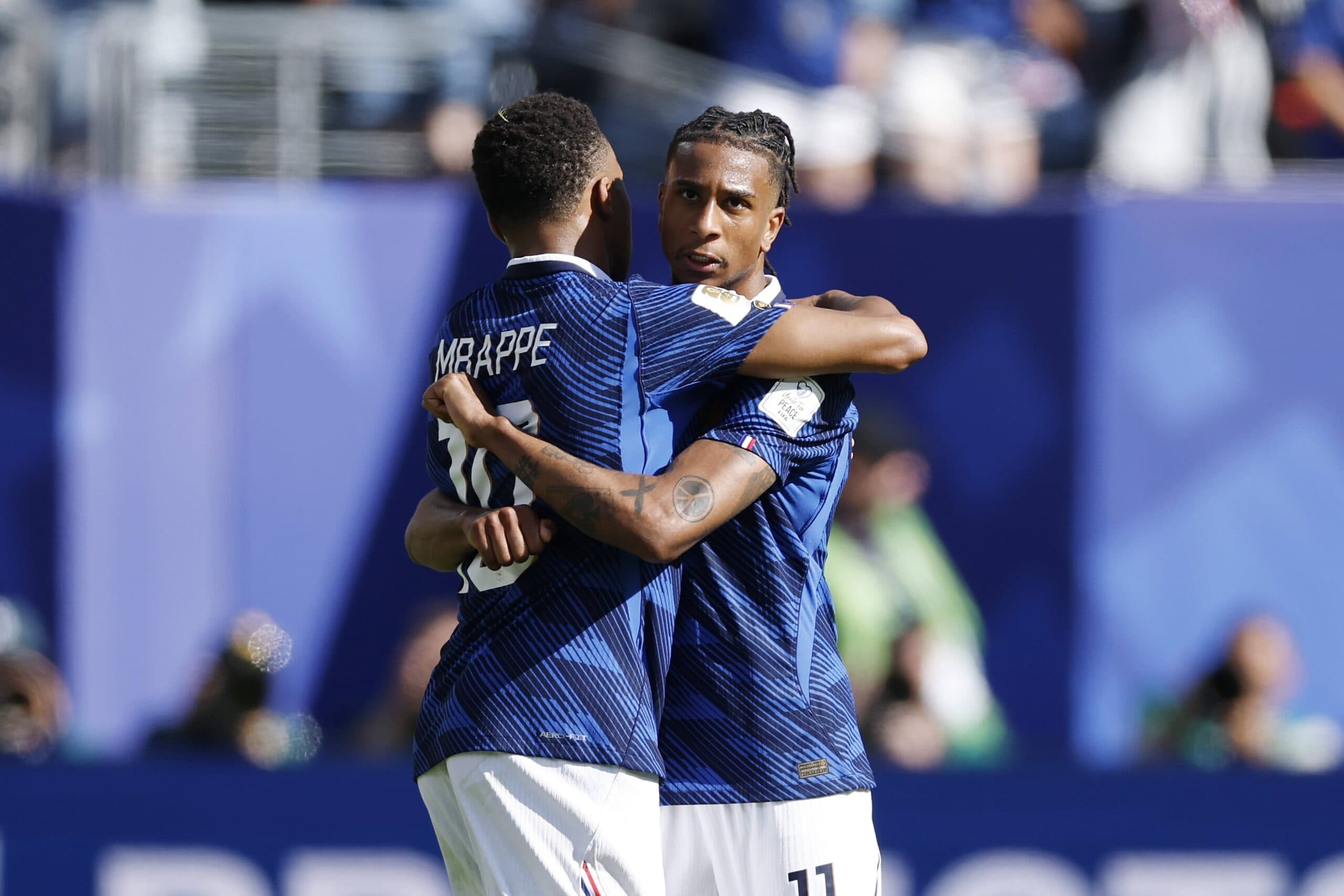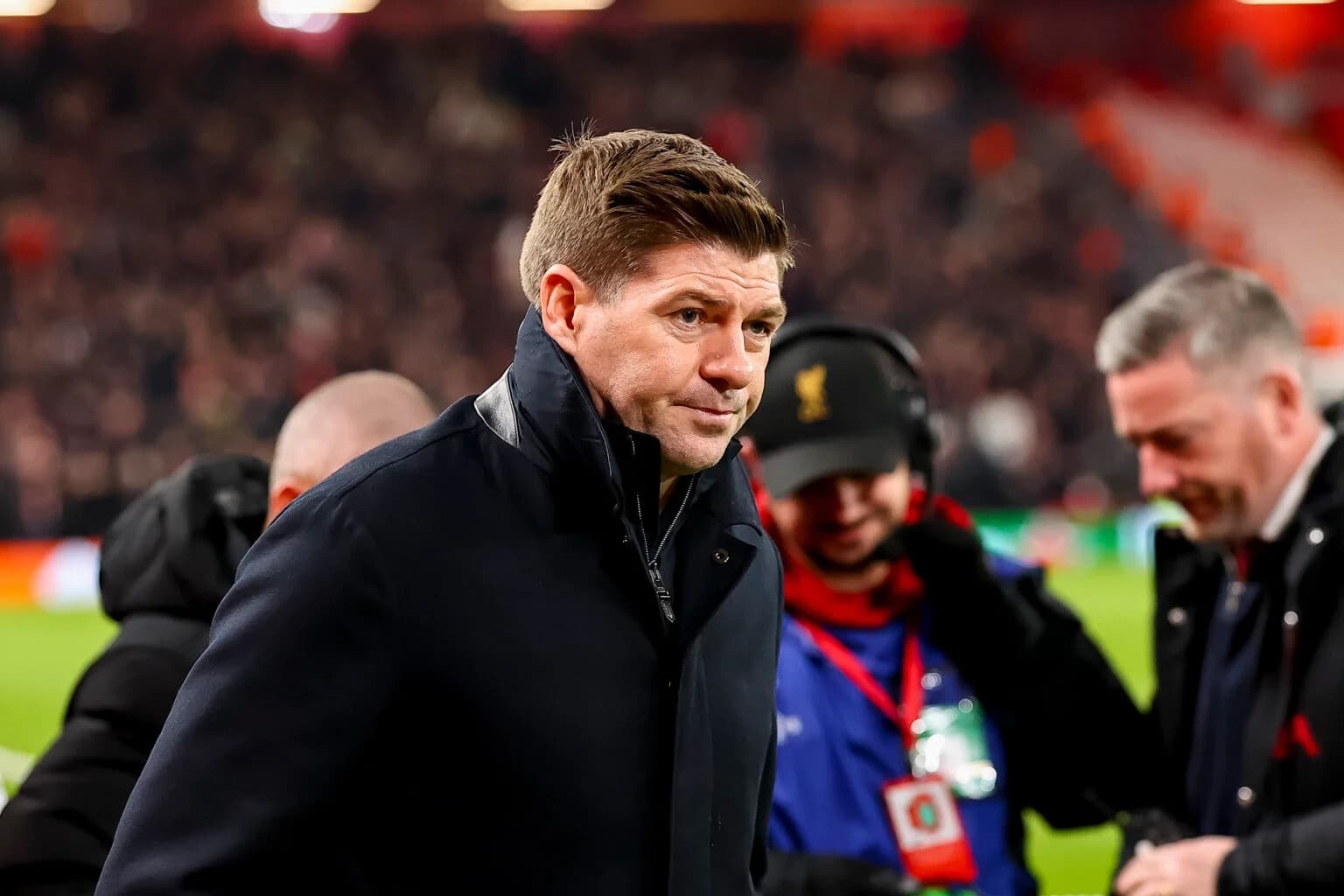
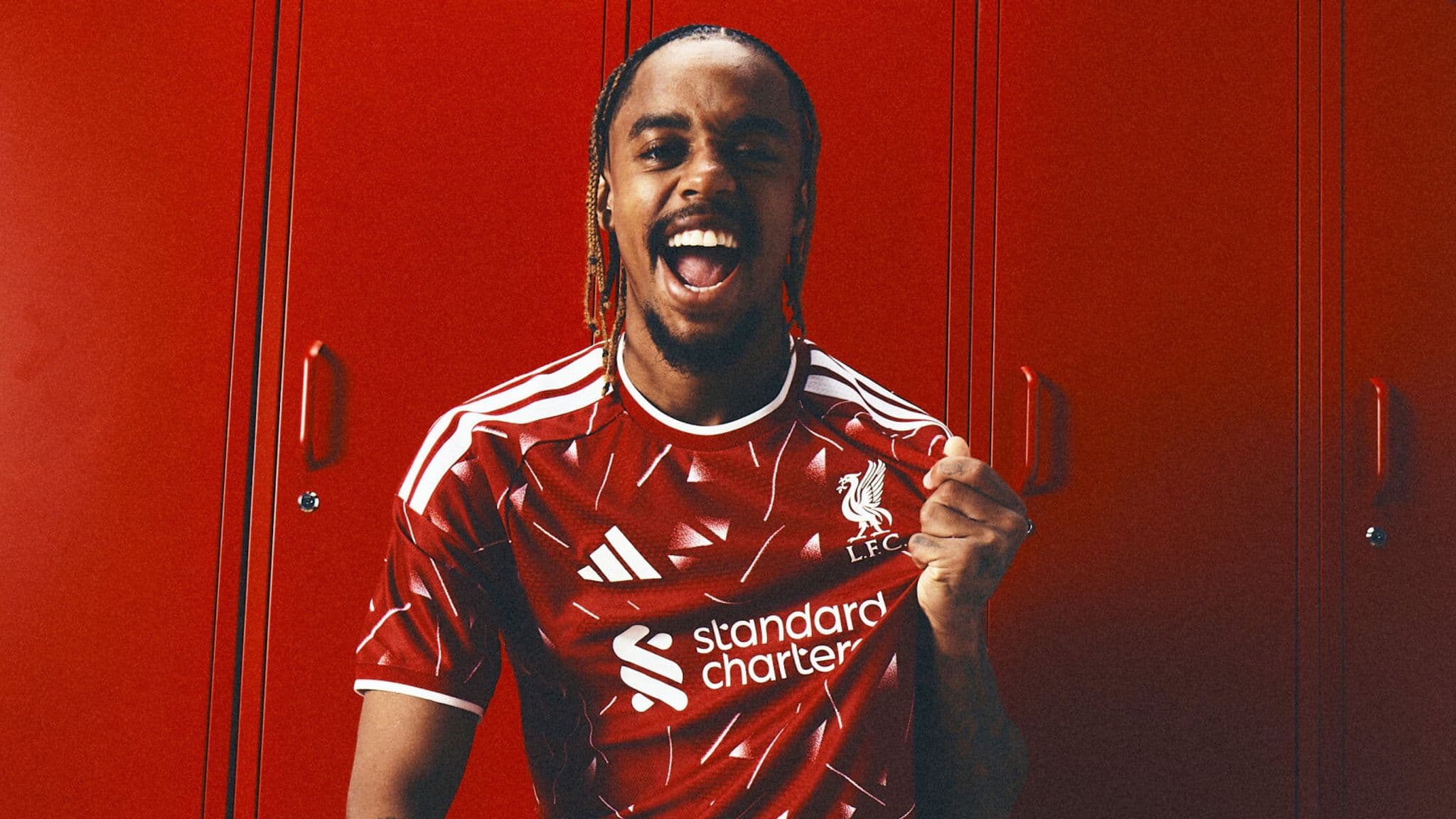
A massive disconnect has emerged between how Liverpool’s summer window is viewed by the Anfield faithful and how it is evaluated inside the club's boardroom.
While supporters panicked over a lack of new full-backs and specialist defensive midfielders, senior figures at Anfield believe they successfully hit their main objective of injecting world-class pace and elite penetration into their attack following Mohamed Salah's departure.
Liverpool ended the window with the Premier League’s highest net spend, committing around £250m in total deals. Headlined by a blockbuster £123m deal for Paris Saint-Germain winger Bradley Barcola, the Reds believe they have retooled their frontline for a new era.
As originally reported by The Athletic, Striver.Football helps you get to grips with why Liverpool bypassed fullback recruitment, opting to spend big on wide attackers.
1. Why Bradley Barcola Was First Priority
Following Mohamed Salah’s exit at the end of last season, Liverpool's recruitment team prioritized adding direct, terrifying pace on the flanks.
While options like Anthony Gordon (who chose Barcelona for £69m) and Yan Diomande (who joined Real Madrid for €125m) were considered or pursued, Bradley Barcola sat at the very top of Liverpool’s wishlist.
Barcola grew frustrated behind Khvicha Kvaratskhelia and Desire Doue in Paris.
Quoted an initial £145m price tag by PSG, Liverpool patiently held firm, backed by Barcola's promise that he would not consider any other club.
Liverpool eventually struck a deal worth an initial £106m, rising to £123m with add-ons, making Barcola the second most expensive signing in Anfield history behind Alexander Isak.
The club expects Barcola—alongside £34.5m signing Victor Munoz from Osasuna—to add a new dimension to Andoni Iraola's attack, unlocking the full potential of Isak and Florian Wirtz.
2. Why Full-back Cover Was Passed Over And Ronald Araujo Was Loaned
Despite fans calling for fresh full-back depth, Liverpool intentionally chose not to allocate heavy resources to the position.
Liverpool's strategy was heavily influenced by upcoming injury returns. With Conor Bradley nearing full fitness and Milos Kerkez backed as the starting left-back, the club decided Kostas Tsimikas (returning from his loan at Roma) provided sufficient cover.
When injuries to Joe Gomez, Jeremy Jacquet, and Giovanni Leoni stretched the defense during their U.S. pre-season tour, Liverpool acted swiftly by securing Barcelona's Ronald Araujo on a season-long loan.
Araujo’s ability to play both center-back and right-back gave Iraola the exact defensive versatility he needed without blocking long-term pathways.
3. Faith in Trey Nyoni
When Curtis Jones ended his 16-year association with the club to join Inter Milan for £30m, many expected Liverpool to dive into the market for a direct replacement.
Instead, Liverpool rejected a £30m offer from Nottingham Forest for 19-year-old talent Trey Nyoni, opting to keep him for a far bigger first-team role.
Furthermore, manager Andoni Iraola remained firm that early-season defensive transitions could be fixed through tactical structure out of possession rather than panic-buying a specialist No. 6, pointing to a central midfield rotation featuring Dominik Szoboszlai, Alexis Mac Allister, Ryan Gravenberch, Wataru Endo, and Nyoni.
4. Background Upheaval & Outgoing Sales
The window played out against a backdrop of significant executive transition at boardroom level.
FSG CEO of football Michael Edwards departed in July due to differences over multi-club models, while Sporting Director Richard Hughes navigated the window despite his contract expiring next summer amid interest from Al Hilal.
FSG agreed to sell a 38% stake in the club to a consortium led by British-Indian businessman Amit Bhatia.
Unlike the previous summer's £220m player sales, Liverpool generated only ~£32m from sales (Curtis Jones, Luca Stephenson, Stefan Bajcetic) while losing veteran figures like Salah, Andy Robertson, and Ibrahima Konate on free transfers.
5. Liverpool Invest into Future Assets
In tandem with marquee first-team additions, Liverpool invested heavily in elite global 18-year-old prospects.
They managed to beat Real Madrid to sign Belgian keeper Lucca Brughmans, 18, for £30m from Genk.
Liverpool signed Brughmans on a six-year deal before leaving him on loan in Belgium to prepare for Alisson's eventual succession.
They also secured Samuel Martínez at £750k from Atletico Nacional after beating out Borussia Dortmund following his star performance at the South American U-17 Championship.
They also managed to sign French forward Djylian N’Guessan from Saint-Etienne for (£4.3m).
Key Lessons for Young Players and Fans
Clubs Value Tactical Fit Over Squad Stacking: Liverpool deliberately avoided signing redundant full-back depth to preserve clear first-team pathways for returning injured players like Conor Bradley.
Patience Wins the Transfer Market: Holding firm when quoted £145m allowed Liverpool to shave nearly £20m off Bradley Barcola’s fee by waiting for the right moment late in the window.
Academy Pathways Require Boardroom Courage: Rejecting a £30m bid for Trey Nyoni proves that elite clubs will turn down immediate cash if they believe a youngster is genuinely ready for first-team football.