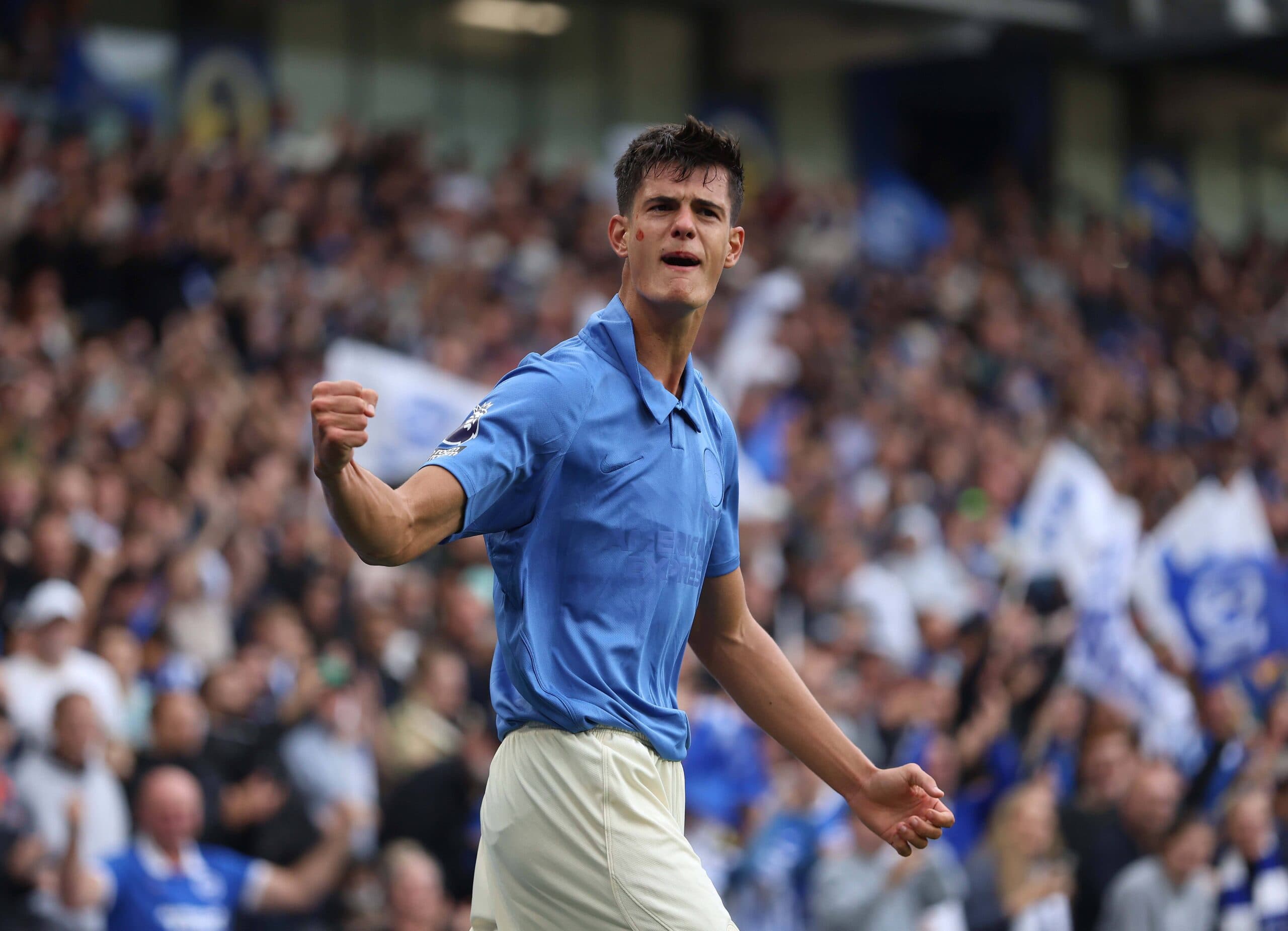
Without a ball yet having been kicked, the 2026-27 Premier League season has already broken a remarkable record that had stood for a decade.
The new campaign will begin with nine new permanent managers, eight of whom will take charge of their teams in a competitive fixture for the first time on the opening weekend.
The unprecedented level of turnover across almost half of the division hascreated one of the most unusual starts to a Premier League season in recent history.
However, it also raises questions over the increasingly relentless pace at which managers are appointed and dismissed, and whether it reflects the growing pressure on club owners to prioritise immediate results over long-term stability.
Although it is difficult to pinpoint a single cause behind the trend, several key factors help explain why almost half of the Premier League enters the 2026-27 season under new leadership.
How The Premier League Managerial Domino Effect Began
One cause behind a section of this summer of change has been the domino effect created by Premier League managers. Of the nine new bosses, three had been in charge of a different Premier League club during the previous season.
Enzo Maresca agreed to leave Chelsea on New Year's Day following a dip in form and reported disagreements with the hierarchy, but, as was speculated at the time and later confirmed, had already held talks with Manchester City over taking over from Pep Guardiola at the end of the season.
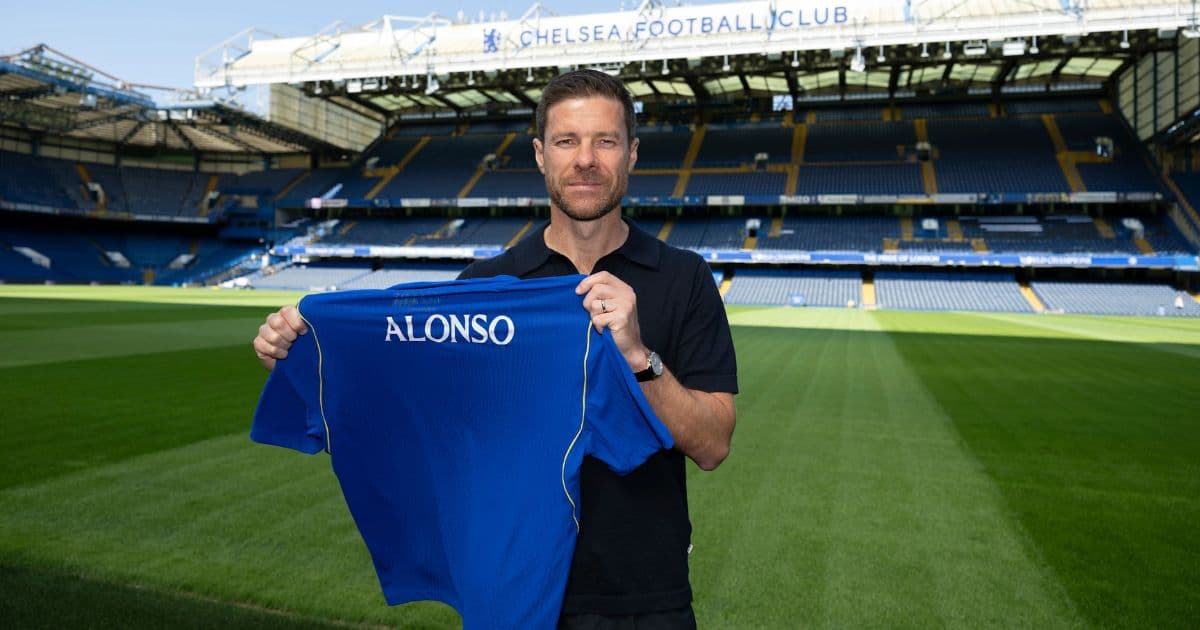
This eventually resulted in the Citizens paying Chelsea £17 million in compensation, while Maresca also agreed his own settlement with the club. His exit opened the door for former Real Madrid boss Xabi Alonso to begin his first Premier League managerial role.
Oliver Glasner had publicly announced his decision to leave Crystal Palace at the end of last season upon the expiry of his contract, with disagreements between himself and the board believed to have contributed.
This came despite delivering the club's first major trophy with FA Cup success, before following it up the next season by securing Palace's first European honour with the Conference League.
However, few expected Glasner's next move to be Nottingham Forest, who have remarkably had five different managers at the helm in the last 12 months.
Many questioned his decision to join another club of similar stature but with a reputation for instability. Following Glasner's departure, former RC Lens head coach Pierre Sage was appointed as his replacement at Selhurst Park.
Finally, Andoni Iraola's move from Bournemouth to Liverpool was a straightforward progression. His ability to guide Bournemouth to their first-ever European campaign despite numerous transfer departures has been highly commendable, earning him the opportunity to take charge of one of England's biggest clubs.
His replacement at the Vitality Stadium is former RB Leipzig boss Marco Rose, returning to management after over a year away from the dugout.
Much like player recruitment, it is often more reassuring for owners to appoint a relatively proven or steady hand with EPL experience rather than take a gamble on an unknown prospect. But does familiarity bring lasting success, or are clubs simply searching for immediate results?
What's Forcing The Rise Of Short-Term Thinking?
Current Premier League Manager Tenures
| Manager | Club | Appointed |
|---|---|---|
| Mikel Arteta | Arsenal | 22 December 2019 |
| Unai Emery | Aston Villa | 01 November 2022 |
| Daniel Farke | Leeds United | 04 July 2023 |
| Regis Le Bris | Sunderland | 01 July 2024 |
| Fabian Hurzeler | Brighton & Hove Albion | 02 July 2024 |
| Frank Lampard | Coventry City | 28 November 2024 |
| David Moyes | Everton | 11 January 2025 |
| Sergej Jakirovic | Hull City | 11 June 2025 |
| Keith Andrews | Brentford | 27 June 2025 |
| Michael Carrick* | Manchester United | 13 January 2026 (*since interim) |
| Roberto De Zerbi | Tottenham Hotspur | 31 March 2026 |
| Marco Rose | Bournemouth | 01 June 2026 |
| Andoni Iraola | Liverpool | 04 June 2026 |
| Pierre Sage | Crystal Palace | 15 June 2026 |
| Gary O’Neil | Ipswich Town | 23 June 2026 |
| Enzo Maresca | Manchester City | 29 June 2026 |
| Xabi Alonso | Chelsea | 01 July 2026 |
| Oliver Glasner | Nottingham Forest | 06 July 2026 |
| Alvaro Arbeloa | Fulham | 07 July 2026 |
| Matthias Jaissle | Newcastle United | 05 August 2026 |
Like players, the chopping and changing of managers and head coaches has accelerated with the times, with the average English top-flight managerial reign now standing at around 20 months - and that figure could continue to fall.
In parallel, the Premier League continues to grow financially and further distance itself from other leagues around the world. Every match is watched and analysed by millions globally, while tens of millions of pounds can be at stake in any given fixture.
The pressure is therefore immense, from both owners and supporters, and it is becoming increasingly difficult for every new appointment to make a meaningful and long-lasting impact in such a highly scrutinised and financially inflated environment.
Every manager operates in different ways, bringing their own philosophies, track records, strengths and weaknesses.
However, every appointment remains a gamble for a club, as success can never be guaranteed - only the pursuit of the most logical fit based on a team's ambitions, identity and long-term vision.
Regardless, talk of a 'long-term vision' has become somewhat of a luxury in modern football. As stated before, 20 months is rarely enough time for a project to truly develop, especially when many managers receive their marching orders far earlier.
Of course, football will always be a results-based business, and managers must deliver performances and meet expectations. However, it is increasingly difficult to justify clubs handing out lengthy contracts, only to pay compensation months later before repeating the same cycle.
The 2025-26 Premier League season featured 11 managerial changes, excluding summer departures. Nottingham Forest and Tottenham both made multiple appointments during turbulent campaigns, despite strong squads on paper and some European progress.
Although these clubs are not alone in facing such pressures, it is becoming increasingly evident that failing to meet targets such as European qualification or avoiding relegation would be catastrophic for teams built around substantial wage bills and transfer fees, leaving clubs feeling they must meet expectations at almost any cost.
Even at more patient clubs, managers are often expected to hit the ground running, with the blame frequently falling on them as the easiest scapegoat when results fail to meet expectations.
Is The 'New Manager Bounce' Still A Thing?
One aspect of every managerial appointment is the theory of the 'new manager bounce'. The idea is that a new arrival encourages players to impress their new boss, provides a mental fresh start for the squad and creates a sense of positive change around the club.
Last season, examples such as Roberto De Zerbi, Michael Carrick and Liam Rosenior all enjoyed an immediate upturn in results after their appointments, suggesting the theory still holds relevance in modern football.
However, while Carrick and De Zerbi remain in their roles, Rosenior's promising start eventually faded, with Chelsea's poor run of form costing him his position in April - just over four months after his appointment.
Despite a respectable overall record, the club's hierarchy ultimately felt he could not reverse the decline or restore momentum.
The 'bounce' is normally most sought after towards the foot of the table, where clubs desperately need points in a bid to survive, even if the football is not always attractive or sustainable long-term. Some managers have even built reputations for providing short-term boosts and steadying struggling teams.
Even so, every club begins a new season from the same proverbial starting line. While expectations naturally differ between teams, no one enters the season already requiring rescue - at least not yet.
As a result, the 'bounce' can be considered crucial for some clubs simply to make a positive start and build an early points cushion, rather than falling behind and spending the next nine months in a frantic battle to catch up.
Could A New Generation Of Premier League Managers Emerge?
For the first time since 1985-86, top-flight English football will begin a season without Sir Alex Ferguson, Arsene Wenger, Jose Mourinho, Jurgen Klopp or Pep Guardiola on the touchline.
These are figures who defined the Premier League era, collectively winning 26 of the 34 titles since its creation. In their absence, the league appears to be searching for new faces capable of leading the next generation of elite clubs.
With such a high turnover of managers, the law of averages suggests that some eventually establish themselves for a respected length of time.
Mikel Arteta is a prime example of a long-term project finally coming together, despite early setbacks and moments where his position was questioned.
Arsenal's patience has been rewarded, with Arteta delivering a league title and pushing the club to the brink of Champions League success, while appearing well placed to compete for further honours.
However, not every story follows the same path, and even successful appointments are not guaranteed to last forever. Eddie Howe, the league's most recent managerial departure, built a strong foundation at Newcastle United, but after five years his project appeared to lose momentum.
Nevertheless, by modern Premier League standards, that remains a significant and impressive tenure. As we enter a unique era of fresh faces in Premier League dugouts, this could represent the beginning of a new generation of managers who go on to become the legends of tomorrow.
Alternatively, it could simply continue the relentless cycle of short-term appointments and early departures that has become increasingly common.
The beauty of football is that we can only wait and see.