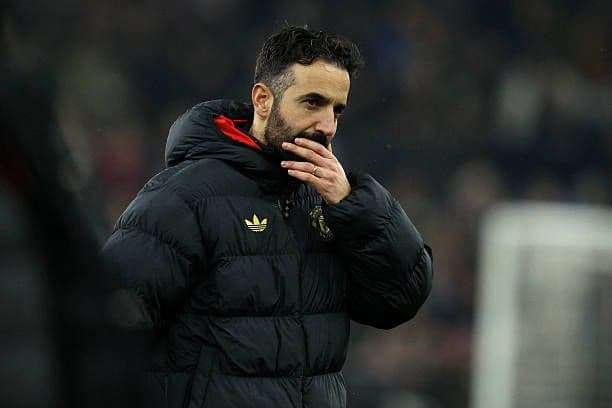
AC Milan manager Ruben Amorim led his side to a huge victory over Inter Milan in the Derby della Madonnina, winning 3-1 in his first Serie A derby in charge of the Rossoneri.
He expressed his gratitude to his club's owner Gerry Cardinale after the game for the support he has received in his time in charge of the Italian giants.
Comparing how different elite club hierarchies support their managers provides sharp insight into modern football governance.
In the case of Amorim, it can be deduced that the boardroom friction and executive chaos at Manchester United prevented him from doing his best work.
Owner harmony vs Old Trafford turmoil: Inside Amorim's Milan revival
Ruben Amorim was sacked by Manchester United in January after he appeared to call out the higher-ups for refusing to allow him to manage the club and expecting him to only coach on the pitch.
His comments from back then betrayed the fractured relationships with the club hierarchy, rigid tactical disagreements, and public friction over recruitment.
However, his subsequent revival in Serie A with AC Milan tells a completely different story of modern club management.
Ahead of the game, Cardinale openly expressed his support for the Portuguese tactician, reiterating that he appointed Amorim and is prepared to keep backing him.
After the derby win, Amorim told CBS Sports that the support he has received in Italy, particularly from the owner, is motivation for him to succeed.
"I don't want to fail these people that are supporting me so much, especially Mr. Cardinale," he said.
The complete alignment between ownership and the coaching staff at AC Milan exposes, in a way, the structural dysfunction that has plagued Manchester United for years.
United's leadership often found themselves at odds with their managers over squad profiles and playing philosophies, while Milan's executives have fostered an environment where a head coach can implement his tactical blueprint without constant administrative interference.
Amorim's side have lost just once in their ten Serie A games this season under Amorim, racking up 21 points to occupy fourth place in the standings.
Tactical clarity and rebuilding trust on the pitch
Following his dismissal as Manchester United boss, Amorim's assistant Adelio Candido hinted in an interview that the players never fully managed to show what the coach wanted from them.
His final months at Old Trafford were weighed down by public skepticism, squad imbalance, and an apparent lack of institutional patience.
Amorim's success at San Siro has also been fueled by leaning into the profiles in his squad and bringing in new faces to strengthen the squad.
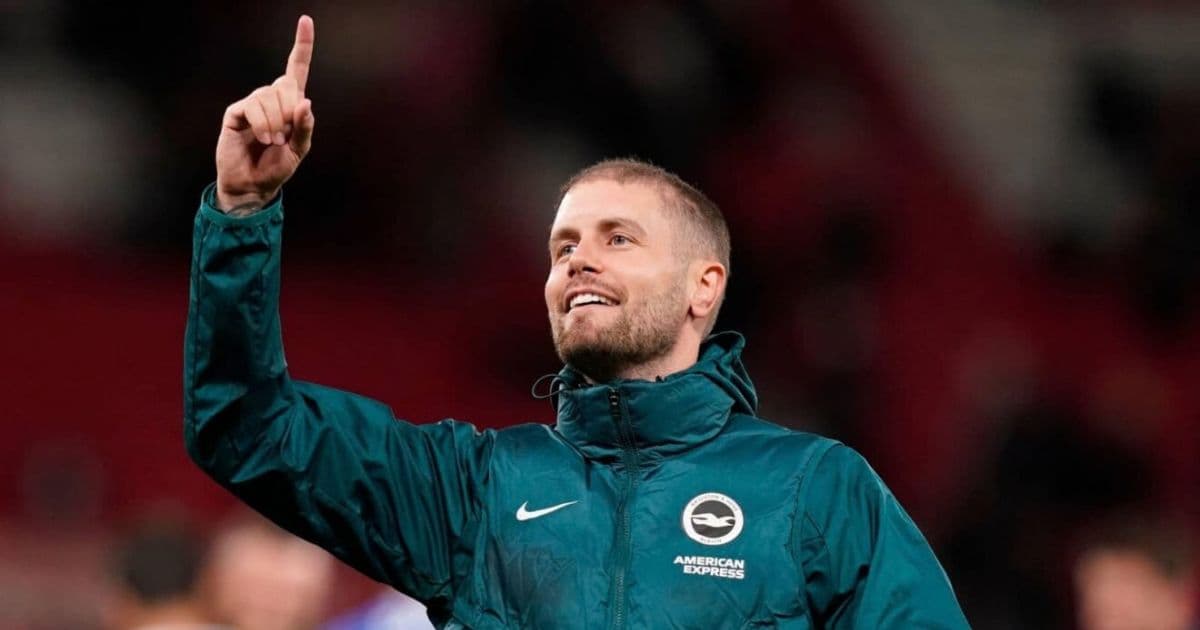
Belgium international Diego Moreira joined the club in the summer from Strasbourg, and was the clear difference against Inter Milan, assisting twice and scoring once.
Amorim likely brought in the youngster for his ability to function excellently as a wing-back, and he has delivered thus far.
The Portuguese also integrated Italy U-21 international Alphadjo Cisse into his team, and the youngster has been a vital member of the squad this term.
His recent comments regarding mutual trust and clear communication within the Rossoneri boardroom serves as a poignant reminder that elite managers require stable environments to thrive-something Manchester United continue to struggle to provide.