
Xabi Alonso’s arrival at Stamford Bridge brought immediate clarity to Chelsea’s attacking structure.
By deploying the 3-4-3 system that powered Bayer Leverkusen to an undefeated 2023/24 Bundesliga title, Alonso solved the summer’s primary puzzle, seamlessly integrating Cole Palmer and Morgan Rogers as dual No. 10s behind Joao Pedro.
Yet, following a frantic 3–2 victory over Fulham and a hard-fought 2–1 London derby defeat to Arsenal, the tactical friction in Alonso’s project is clear.
While the front five operates with dynamite intensity, the backline and double pivot remain structurally fragile.
Chelsea are currently on a 17-match Premier League streak without a clean sheet. To transform this team into genuine title contenders, Alonso must fix three major systemic issues:
Read More: Is Arsenal’s Kai Havertz the Most Disrespected Forward in the World After Dominating Chelsea?
Find a new "Kante-Matic" Midfield Pivot Balance
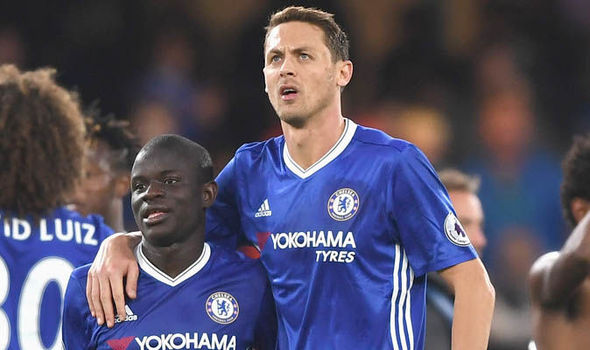
Antonio Conte’s 2016/17 title-winning 3-4-3 worked because the N'Golo Kante and Nemanja Matic double pivot formed an impenetrable pendulum. When Kante pressed wide, Matic dropped deep to screen central passing lanes.
By contrast, Alonso’s central setup is constantly stretched when forced into defensive transitions.
Against Arsenal, Roméo Lavia produced an elite 45-minute defensive display, jumping into the press and screening passing angles. However, Lavia’s current physical baseline given his problematic injury history causes his tank to run empty around the hour mark.
When Lavia dropped off and Reece James was forced to cover ground horizontally, Martin Odegaard broke free to score Arsenal's winner.
Replacing Lavia with Malo Gusto added transition energy, but Gusto lacks the elite positional instincts required to break down high-level low blocks.
Could Moises Caicedo be the Answer? The Ecuadorian’s return is essential. Much like Ezequiel Palacios at Leverkusen or Kante under Conte, Caicedo provides the press-resistance and defensive mobility needed to balance Reece James’ playmaking.
Fix Wide Channel Defense
In Alonso’s 3-4-3, the wide center-backs (Maxence Lacroix, Wesley Fofana, Josh Acheampong and Levi Colwill) are continually dragged out of position.
Against Fulham, direct long balls down the channels regularly unbalanced the backline.
When opposing full-backs step high, Levi Colwill is pulled wide. Without a central midfielder tracking back into the box, space opens up behind him.
In Conte’s system, Cesar Azpilicueta and Gary Cahill possessed natural full-back mobility to slide wide without compromising the central box.

For Alonso's wide center-backs to survive, the wing-backs must drop quicker to form a firm 5-4-1 deep block.
Make Palmer, Rodgers More Defensively Aware
Alonso’s Leverkusen succeeded because of their central box midfield (Xhaka, Palacios, Wirtz, Hofmann), which counter-pressed instantly upon losing possession.
At Chelsea, when the front three fails to track back efficiently, opponents bypass the initial press with simple aerial balls over the top.
Striver's Action Plans For Xabi Alonso
To eliminate defensive mistakes, Alonso needs to mix his possession-heavy style with pragmatism.
1. Without the ball, Palmer and Rogers must cover central passing lanes when opposing center-backs drive forward.
2. Then at the back, whatever combination of defenders Xabi Alonso pairs must adjust their drop-depth against direct teams to avoid losing 50/50 aerial duels.
3. Until Lavia reaches full 90-minute fitness, managing his minutes alongside Caicedo and James will dictate whether Chelsea can protect leads in big matches.