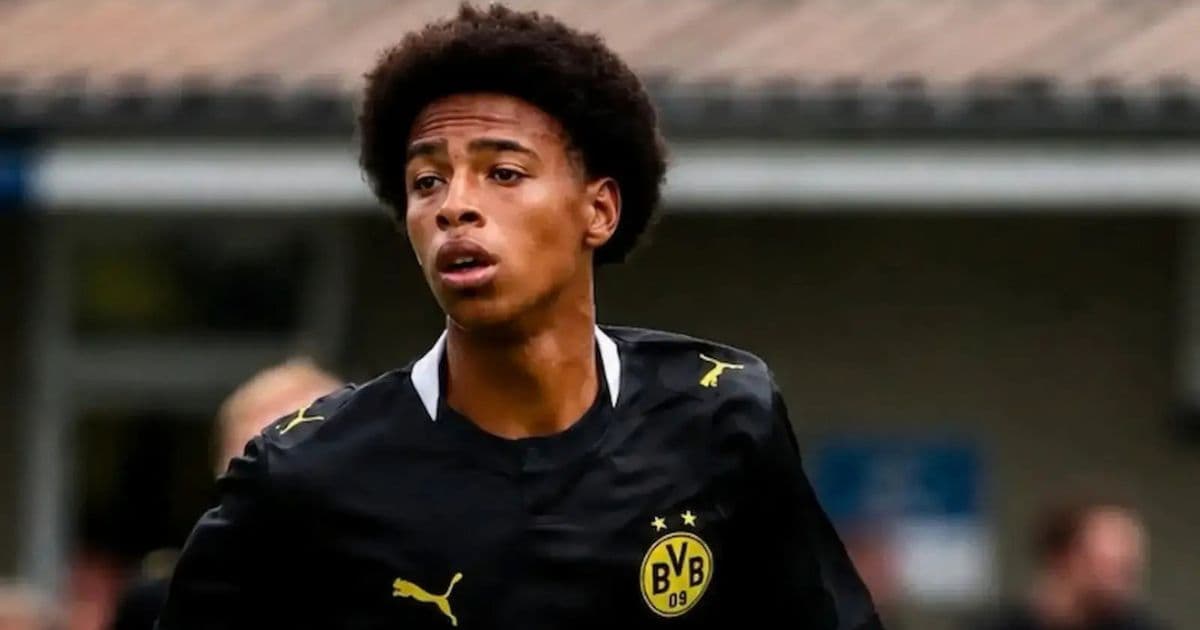
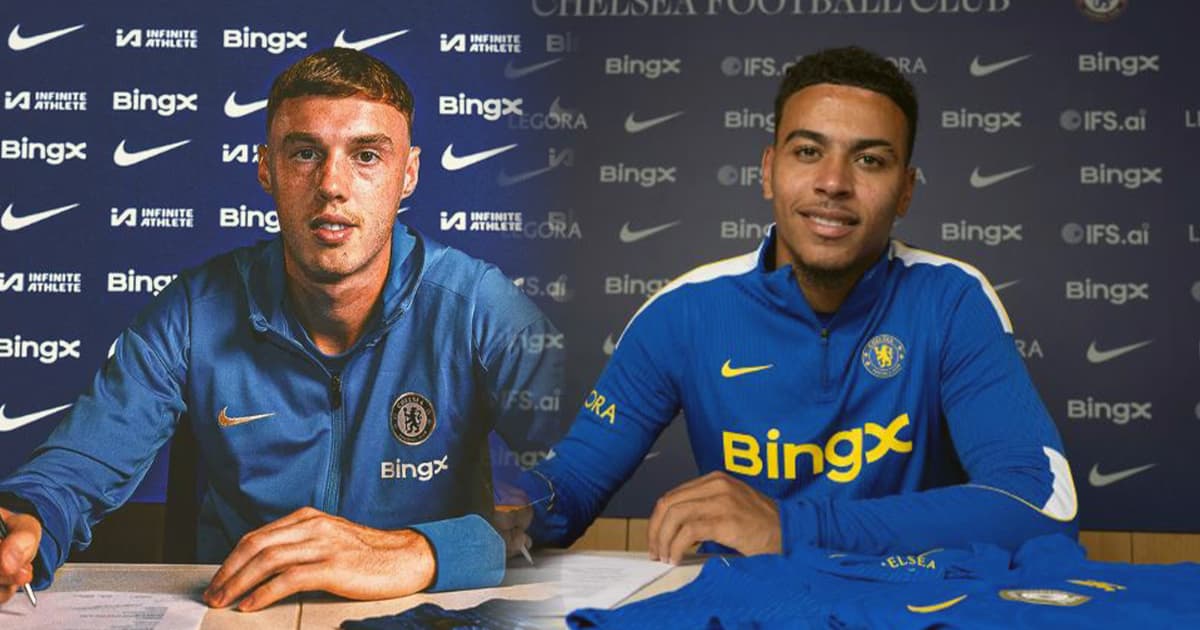
Following the dramatic £117m club-record arrival of Morgan Rogers from Aston Villa, Chelsea have now spent nearly £300m on ex-City prospects since 2023, as new head coach Xabi Alonso intends to go on a mission to return Chelsea to competing consistently for major honours.
It is a relatively surprising stat, considering that six years ago when Chelsea faced City in the FA Youth Cup final, one would naturally have assumed that most of their products would be the ones playing a key part for them at senior level.
After all, when Frank Lampard took charge of the side in 2019, the club emphasised giving more chances to younger players from their own setup, even if it was a decision partly enforced by a transfer ban imposed on them that summer.
In fact, seven of those players played a key role in their eventual UEFA Champions League triumph under Thomas Tuchel in 2021.
Now, Alonso's senior squad instead boasts double the number of the Sky Blues' academy graduates compared to homegrown talent from Cobham.
Aside from Rogers, Cole Palmer, Liam Delap, Romeo Lavia, Jamie Gittens, and Tosin Adarabioyo are the other ex-City youth stars within their set up. But how did it get to that? Striver.Football seeks to break down the answers.
1. Cole Palmer Changed Chelsea's Recruitment Strategy

It is impossible to ignore the precedent set by Cole Palmer. Following his initial £40m move from Manchester in 2023, Palmer transformed into one of the most lethal attacking forces in world football.
His instant adaptation validated Chelsea’s recruitment philosophy: players forged within City's system arrive with elite tactical literacy.
As one insider famously put it to the BBC, youngsters raised in City's setup simply "know what good looks like." They are steeped in modern positional play, pressing triggers, and elite technical demands from a very young age.
2. Chelsea's Recruitment Team Knows Manchester City's Academy
The man behind the latest movement of Rogers to Chelsea is Joe Shields, Chelsea's co-director of recruitment, who previously ran City's academy talent acquisition.
Shields is not the only former Man City backroom staff member at Chelsea. New academy director Glenn van der Kraan and first-team coach Calum McFarlane were also involved at City’s youth set up before moving to London.
These three figure heads, unsurprisingly, should know what qualities these players have, which would only benefit Chelsea by signing them.
3. PSR Makes Academy Players Financially Valuable
Under Premier League Profitability and Sustainability Rules (PSR), homegrown academy players represent pure profit on the balance sheet when sold.
This financial reality has created a dual-edged dynamic: while the Blues have monetised their own Cobham graduates, evidenced by recent sales like Tyrique George to Everton and the impending departure of Trevoh Chalobah to Chelsea, they have actively targeted City's surplus starlets who were looking for immediate first-team pathways.
City, operating at the absolute peak of world football, simply cannot offer guaranteed minutes to every prodigy, allowing Chelsea to step in with high-value contracts and immediate focal roles.
4. Chelsea Have Adopted A Manchester City-Inspired Football Identity
For nearly a decade, Chelsea and Manchester City engaged in a fierce, high-stakes rivalry for youth supremacy, trading FA Youth Cups and UEFA Youth League titles.
However, following the departures of long-standing academy architects Neil Bath and Jim Fraser, Chelsea underwent a fundamental recalibration.
The club has embraced a coaching methodology inspired by City’s aligned, Cruyffian positional framework, originally installed at City by figures like Rodolfo Borrell.
Bringing in players like Rogers, Delap, and Lavia ensures the squad is anchored by individuals who have spent years mastering this specific tactical identity.
5. BlueCo's Multi-Club Model Expands Chelsea's Recruitment Strategy
Chelsea’s fascination with City’s academy extends well beyond Stamford Bridge. BlueCo’s multi-club enterprise, including French outfit Strasbourg, has actively scouted and targeted former City youth prospects like James McAtee and CJ Egan-Riley to build out its wider ecosystem.
Whether through direct marquee signings for Alonso’s first team or strategic talent acquisition for partner clubs, Chelsea view Manchester City’s youth production line as the absolute gold standard for modern squad building.