
Football rivalries have always been fuelled by passion, emotion and the desire to get one over an opponent. But there is a line between competitive banter and behaviour that causes genuine distress.
Recent incidents have once again brought that distinction into focus, with offensive gestures and chants referencing tragedies continuing to appear in stadiums and on social media.
For the families affected, the consequences extend far beyond the final whistle. And despite repeated warnings from football authorities, the problem has proved difficult to eradicate.
The Bradley Lowery incident highlights football’s tragedy abuse problem
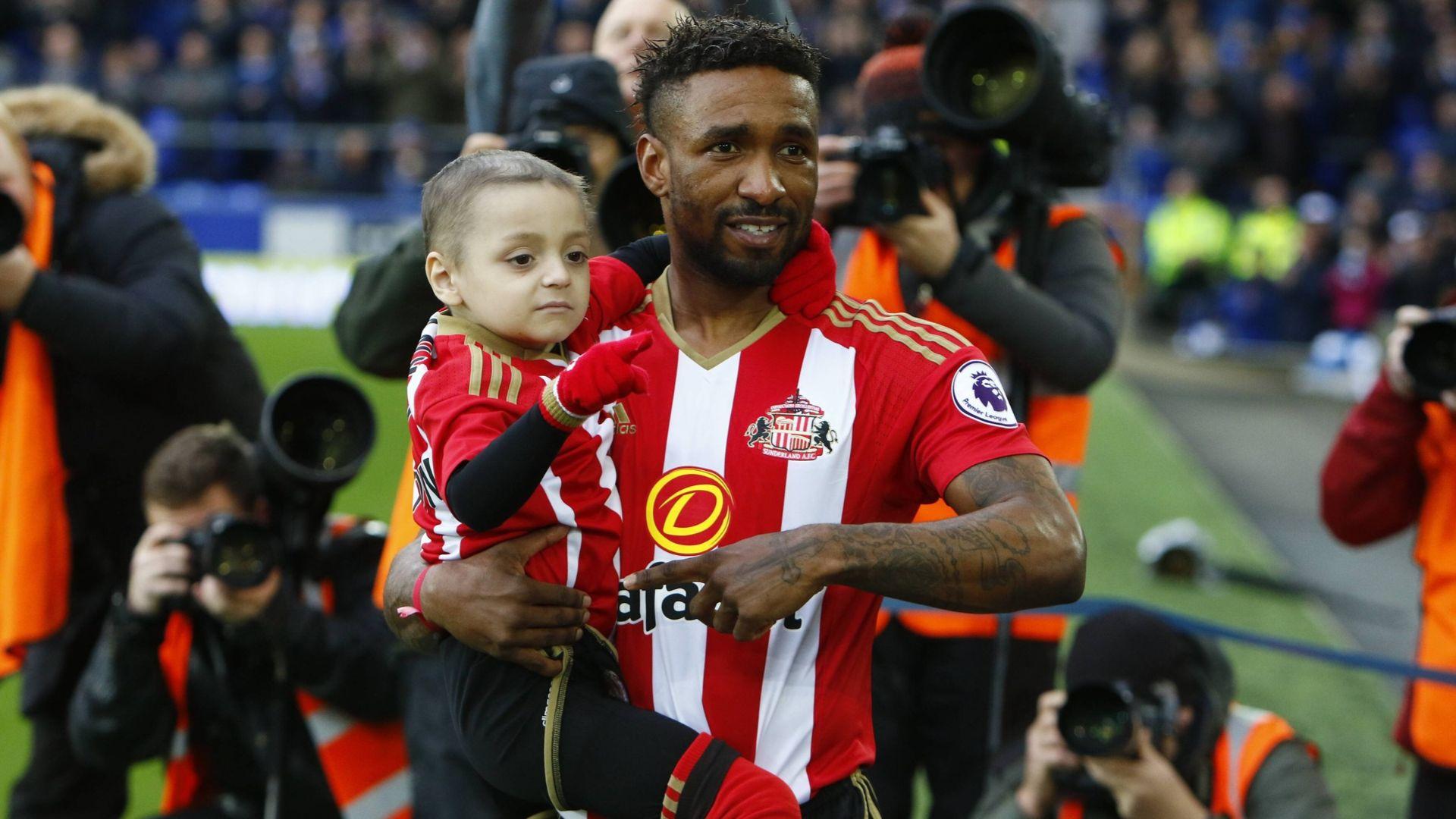
The issue returned to the headlines following a video that appeared to show a Coventry City supporter using an image of young Sunderland fan Bradley Lowery to taunt opposition supporters during their Premier League meeting last Saturday.
Lowery, who died aged six in 2017 after battling a rare form of cancer, became a much-loved figure across football during his illness.
His mother, Gemma Lowery, described the incident as heartbreaking, saying her son deserved to be remembered with love rather than hate.
West Midlands Police confirmed that a 14-year-old boy had been arrested on suspicion of a public order offence in connection with the incident and subsequently bailed. Coventry City also confirmed that they were investigating the footage.
Tragedy abuse refers to offensive chanting, gestures or behaviour that mocks football-related disasters and deaths. References to the Munich air disaster, the Hillsborough disaster and the murders of Leeds United supporters Chris Loftus and Kevin Speight in Istanbul have all been used to target rival fans.
The consequences can be devastating for those who lost loved ones, many of whom continue to attend matches and are repeatedly confronted with references to events that changed their lives.
Why does tragedy abuse persist among football supporters?
One explanation offered by campaigners is that some supporters do not fully understand the history behind the tragedies they reference.
Gareth Senior, who was present when Leeds supporters Loftus and Speight were murdered in Istanbul in 2000, has campaigned for greater education around tragedy abuse.
Speaking to BBC CWR, Senior highlighted how younger fans can repeat chants about events that happened decades before they began attending matches, without understanding the impact on the people affected.
He has also stressed that the families of victims continue to attend football matches, meaning the abuse is not simply a reminder of history but something they may have to experience directly.
Psychologist and former journalist Dr Damien Pearse offered another perspective, suggesting that some supporters may use increasingly offensive behaviour to gain approval from those around them.
Football grounds can create an environment in which individuals feel more comfortable testing boundaries, particularly when they believe their behaviour will entertain fellow supporters.
Social media has also changed the way these incidents spread. Behaviour that might once have been confined to a particular section of a stadium can now be recorded, shared and viewed by thousands of people, including those directly affected.
What are football authorities doing to tackle tragedy abuse?
There have been efforts to tackle the issue through education, stronger disciplinary measures and potential criminal prosecution.
In 2023, the Football Association (FA), Premier League and other partners issued guidance aimed at addressing tragedy abuse. The Crown Prosecution Service also set out guidance explaining how such behaviour could lead to prosecution.
The FA has reiterated the potential consequences ahead of the 2026-27 season, warning that supporters involved could face stadium bans and criminal action.
Recent cases demonstrate that these punishments are not merely theoretical.
A Wolverhampton Wanderers supporter, Bradley Aston, 20, was handed a four-year football banning order and an eight-week suspended prison sentence after mocking seven people killed in a crash on the A66 near Middlesbrough. Aston pleaded guilty to a public order offence after footage showed him displaying an offensive message towards Middlesbrough supporters.
However, Senior believes punishment alone cannot solve the problem. He has called for football authorities to take education into schools and sports clubs, helping younger supporters understand the human stories behind the tragedies.
Why football rivalry must never come at the expense of families
There is no question that rivalry is an important part of football culture. Supporters want to win, enjoy the atmosphere and create an intimidating environment for opposing teams.
But mocking the deaths of supporters, players or innocent people is not part of healthy competition.
The continued use of tragedy abuse shows that more work is needed to make sure football's history is understood and respected by future generations.
As Senior has argued, passion and rivalry should remain part of the game, but there must be boundaries.
Football grounds are places for supporters to celebrate their clubs, not environments where families should be forced to relive their worst experiences.