London City Lionesses are changing the landscape of the WSL, but their rapid rise has sparked an important question: is Michele Kang's ambitious approach good for the women's game?
London City Lionesses have quickly become one of the biggest talking points in women's football.
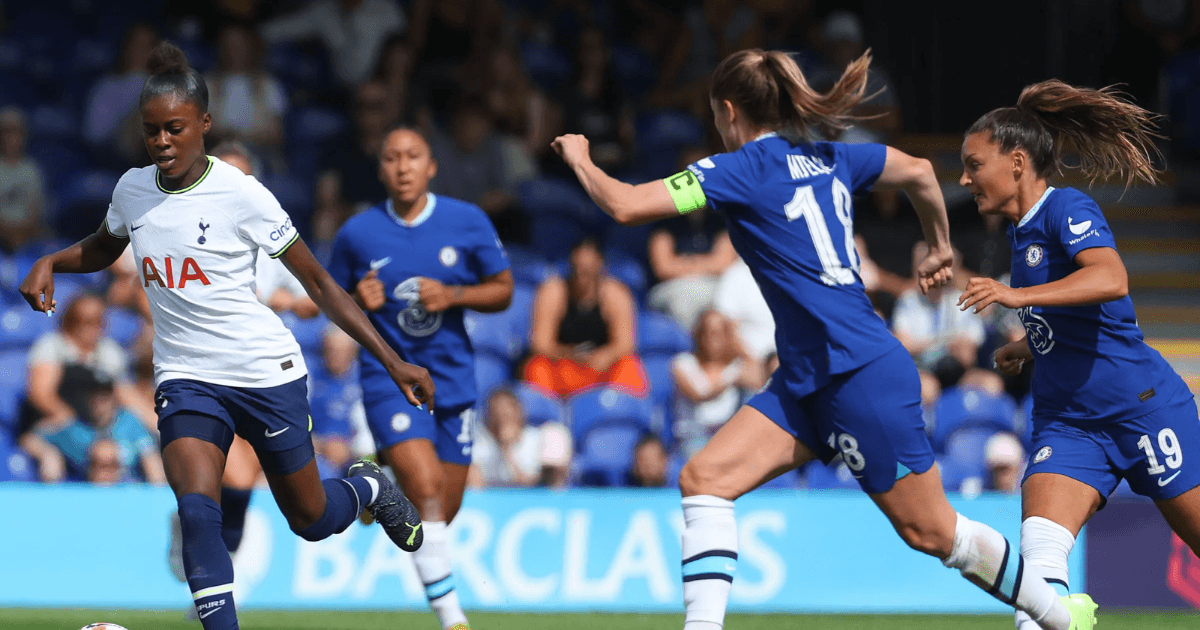
After making headlines with a remarkable summer transfer window, the independent club began their new WSL campaign with a 2-1 victory over Manchester United, immediately underlining their ambitions.
But behind the growing list of superstar signings is an even bigger story, the vision of owner Michele Kang.
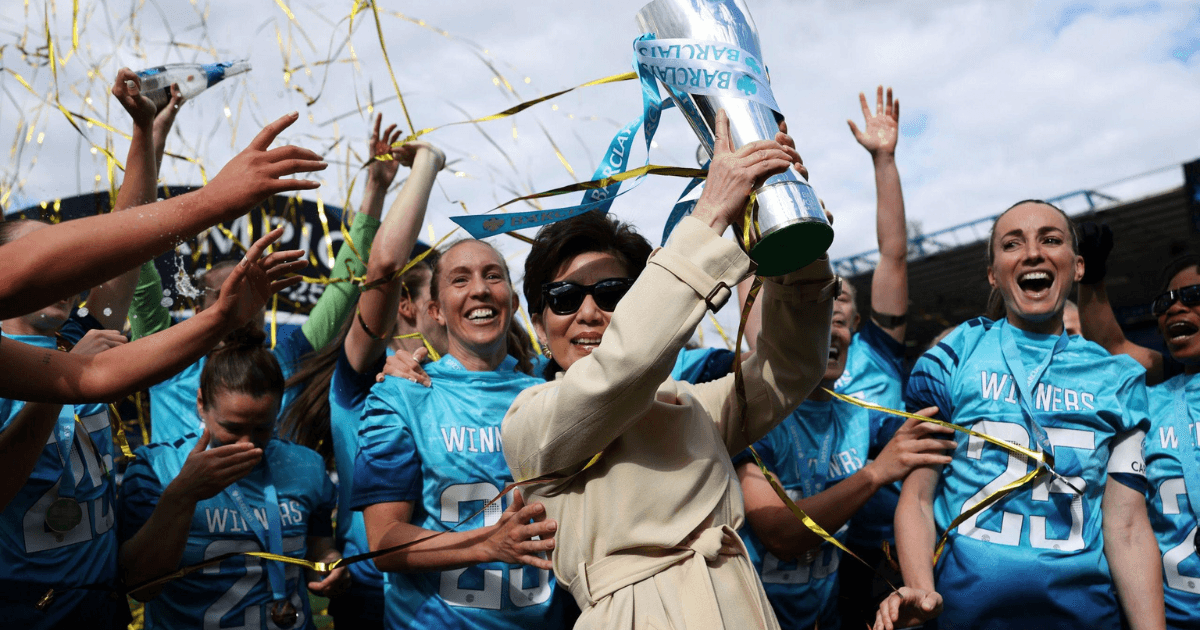
The American businesswoman bought London City in December 2023 and has since overseen a remarkable transformation, helping take the club to the WSL and establishing them as one of the most ambitious teams in the division.
Kang also owns Lyon in France and Washington Spirit in the United States, with London City forming part of a wider investment strategy focused specifically on women's football.
Her approach has already shaken up the WSL.
After earning promotion to the top flight, London City finished sixth last season before taking another significant step forward during the summer, bringing in a collection of some of the biggest names in the women's game.
So, with serious investment arriving at an independent women's club, are London City Lionesses exactly what the women's game needs?
Michele Kang is changing the model
The club is the only independent women's side in the WSL, meaning it is not attached to a men's Premier League or EFL club.
That makes their rapid rise different from the traditional model seen across much of the division.
Every other WSL club shares its shirt sponsor with its men's team, according to Kang, while London City have been able to establish their own commercial identity.
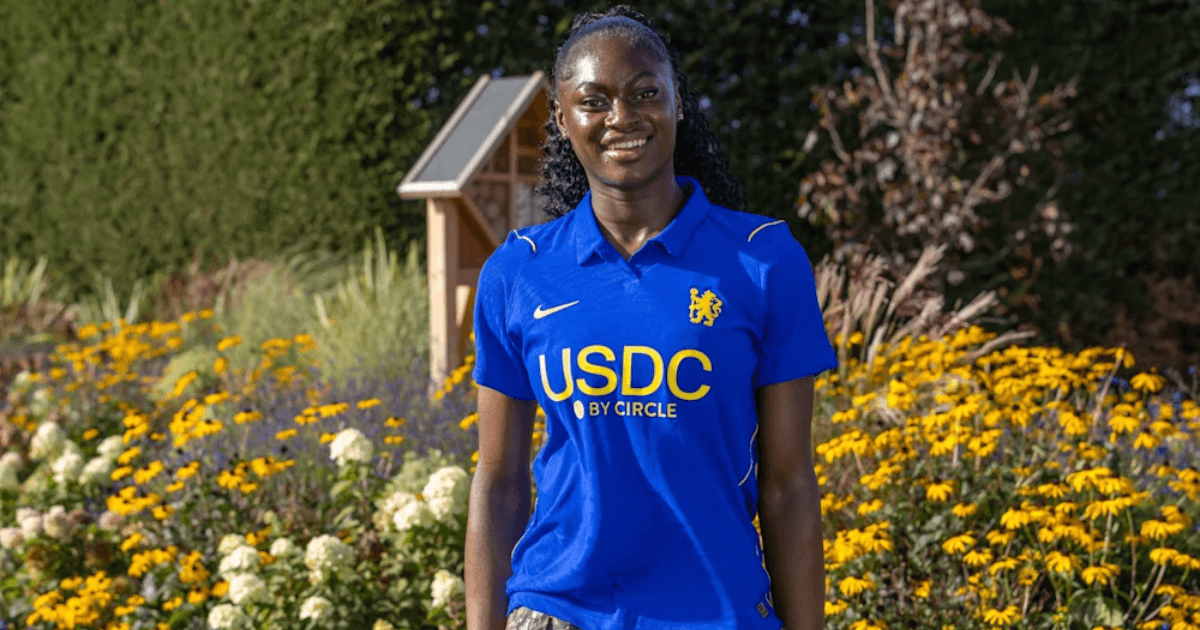
That difference has become particularly clear through their new partnership with Nike.
Kang told BBC Sport that London City's front-of-shirt deal with the sportswear giant was the largest women-only shirt sponsorship in the world and even exceeded the value of some Premier League deals.
The exact figure has not been publicly disclosed, but Kang described the agreement as “huge” and “landmark”.
It is a significant statement about where she believes women's football can go.
And Kang was keen to stress that the deal was not simply a company writing a cheque to support the women's game.
Her argument is that Nike sees commercial potential in London City and believes in the future of women's football.
That distinction matters.
If major brands begin viewing women's football as a genuine commercial opportunity rather than a charitable investment, the potential for growth becomes considerably greater.
Investment can only be a good thing, right?
At a basic level, investment in women's football should be welcomed.
The game needs more money, more attention and more businesses willing to see its commercial potential.
London City's Nike partnership is a particularly significant example.
The club's ability to attract a deal of that scale as an independent women's team challenges the assumption that women's football needs to be attached to a successful men's club to generate commercial value.
And the investment has not stopped at sponsorship.
London City's summer recruitment attracted enormous attention, with two-time Ballon d'Or winner Alexia Putellas, Spain defender Mapi León, former England goalkeeper Mary Earps and Lyon winger Kadidiatou Diani among the high-profile arrivals.
That level of recruitment has changed the perception of the club almost overnight.
Every major signing creates headlines. Every big match attracts new viewers. Every commercial partnership gives women's football another opportunity to demonstrate its value.
Kang's strategy is therefore doing something that cannot be ignored: it is making people pay attention.
It is not just about the first team
This is where the conversation around Kang's ownership becomes particularly interesting.
It would be easy to look at London City's transfer activity and conclude that the project is simply about buying success.
But the bigger question is what happens beyond the first team.
Kang's wider approach to women's football has been built around investment in the structures surrounding elite players, including performance, technology and development.
That matters because the long-term success of the women's game cannot simply be measured by the number of world-class players a club can attract.
There also needs to be an infrastructure capable of producing the next generation.
For London City, that means developing their academy, creating pathways for young players and building a club identity that can survive beyond one ambitious transfer window.
If they can do that, the argument that they are simply trying to buy their way to the top becomes much harder to make.
But where does homegrown talent fit?
There is, however, another side to the debate.
London City's recruitment strategy has raised questions about the role of British and homegrown players within an increasingly global WSL.
Their opening-day starting XI against Manchester United did not contain an English player, highlighting just how international their squad has become.
That does not necessarily make their approach wrong.
Elite competition has always involved bringing together players from different countries, and the arrival of world-class talent can raise the overall standard of a league.
But there is an important balance to find.
The growth of the WSL should also mean creating pathways for young English players to progress from academies and youth football into the senior game.
This is where London's long-term development could become particularly important.
If the club can combine international stars with genuine opportunities for emerging homegrown talent, the benefits could be significant for the entire football pyramid.
The question is whether London City can make those two ambitions work together.
Is rapid growth sustainable?
Another question is whether rapid success can create a sustainable club identity.
There is nothing inherently wrong with ambitious recruitment. In fact, competition for the biggest honours is exactly what the WSL needs.
For years, the league was criticised for being dominated by a small group of clubs.
If London City can disrupt that hierarchy, the competition becomes more unpredictable and, ultimately, more exciting.
Their opening-day victory over Manchester United was already an indication of that.
But winning matches is only one part of building a football club.
Kang has spoken about long-term ambitions and an aspiration for London City to be “at the top of the game”.
Getting there is one challenge.
Staying there, while building sustainable foundations underneath it, is another.
The club will need to continue growing its supporter base, developing its infrastructure and creating a pathway between the academy and first team.
If those foundations are successfully established, London City could become more than a club that spent big to compete in the WSL.
They could become an example of what an independent women's football club can look like when it is given the resources to build properly.
London City are making people talk
Whatever your opinion of their approach, it is difficult to argue that London City Lionesses have not changed the conversation around women's football.
They have brought some of the biggest names in the sport to the WSL, secured a major global commercial partnership and immediately started the season with a statement victory.
More importantly, they have challenged the traditional idea that women's football needs to sit underneath a successful men's club to thrive.
Kang's ownership presents an alternative model: a women's football organisation where the investment, infrastructure and ambition are built specifically around female athletes.
That model will inevitably divide opinion.
Some will see the spending as exactly what the women's game needs after years of underinvestment.
Others will question whether rapid squad building risks pushing aside homegrown talent or creating an uneven playing field.
Both conversations are valid.
What matters is what happens next.
If London City can combine their ambitious investment with meaningful pathways for young players, a growing supporter base, sustainable infrastructure and success on the pitch, their impact could stretch far beyond the results.
Kang has already made it clear that she wants her clubs to compete for championships.
The bigger test will be whether London City can help build something that lasts long after the initial excitement surrounding their superstar signings fades.
And perhaps that will ultimately determine whether Michele Kang's bold experiment is simply changing London City, or genuinely changing women's football.