Michael Owen occupies a unique place in English football history, having achieved something that generations of players have struggled to replicate.
Yet, despite winning one of the sport’s most prestigious individual honours, his name does not always feature as prominently in conversations about England’s greatest footballers as some of his predecessors.
The former Liverpool striker has now reflected on the recognition he received after his success in 2001, suggesting that the significance of his achievement was viewed very differently outside England.
His comments raise an interesting question: has one of English football’s most significant individual achievements been overlooked?
Owen believes his Ballon d’Or triumph deserves greater recognition
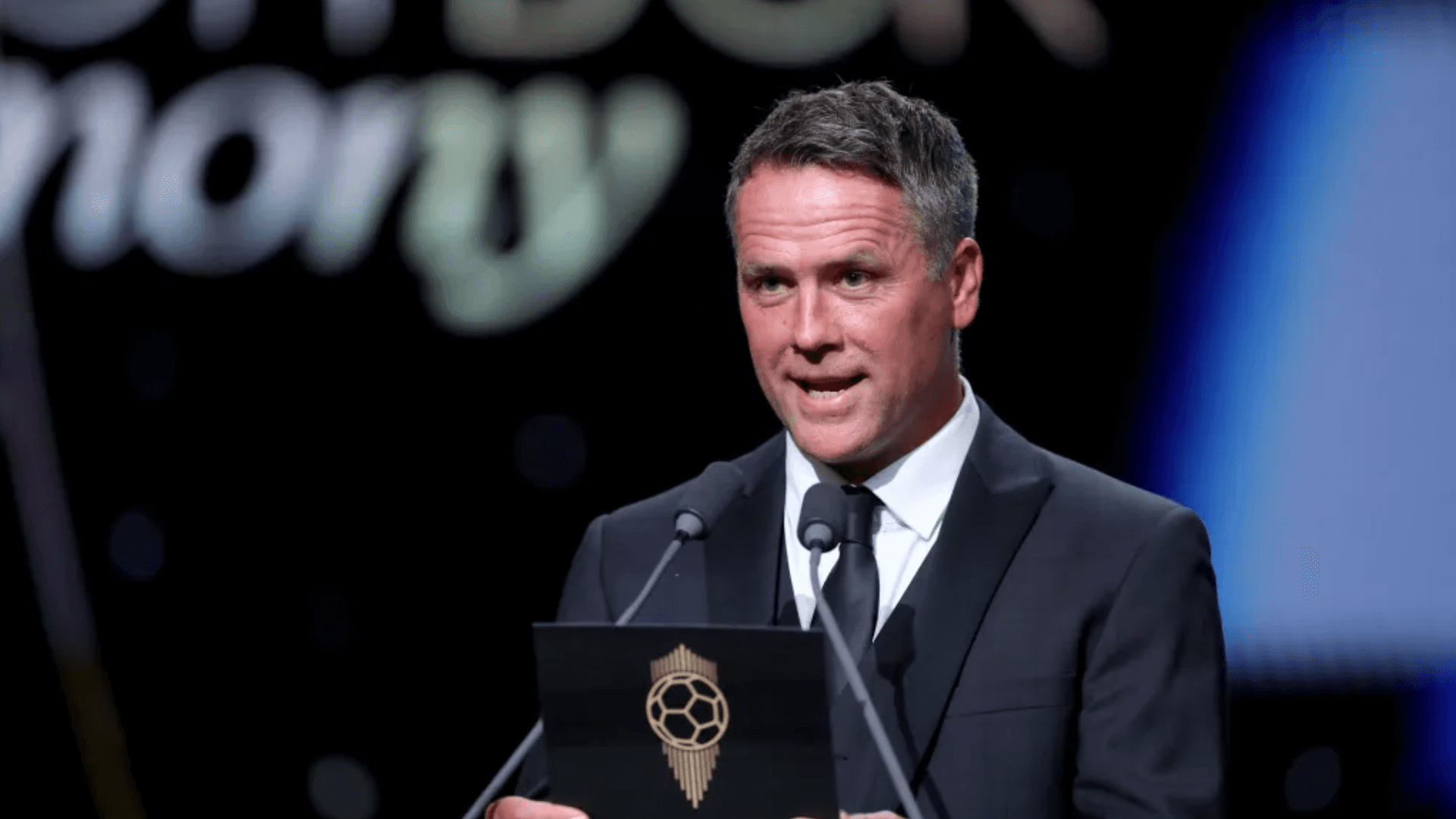
Speaking to FourFourTwo, Owen admitted that he does not believe his Ballon d’Or victory has received the same level of recognition as other players who have won the award.
“I believe I don’t get the sort of credit that other people would get for winning the Ballon d’Or. It's never been that important in our country,” Owen said.
“When I was in Spain, they said I was a hero for winning it. I’m immensely proud of winning it. I look down the list of names, and I still have it saved on my phone – a photo of the points system and who was second, third, fourth and the rest of it.”
The comments highlight a difference in how individual honours are celebrated across football cultures. While the Ballon d’Or is widely regarded as one of the game's greatest personal achievements, Owen believes its significance was not fully appreciated in England at the time.
There is a strong argument that Owen deserves to be mentioned more frequently alongside England’s most celebrated footballing figures.
Sir Stanley Matthews became the first recipient of the Ballon d’Or in 1956, while Sir Bobby Charlton followed a decade later after helping England win the World Cup.
Kevin Keegan then claimed the award in consecutive years in 1978 and 1979, becoming the first Englishman to win it twice.
Owen joined that distinguished group in 2001, but his achievement has arguably become less prominent in discussions about the country's greatest individual footballing accomplishments.
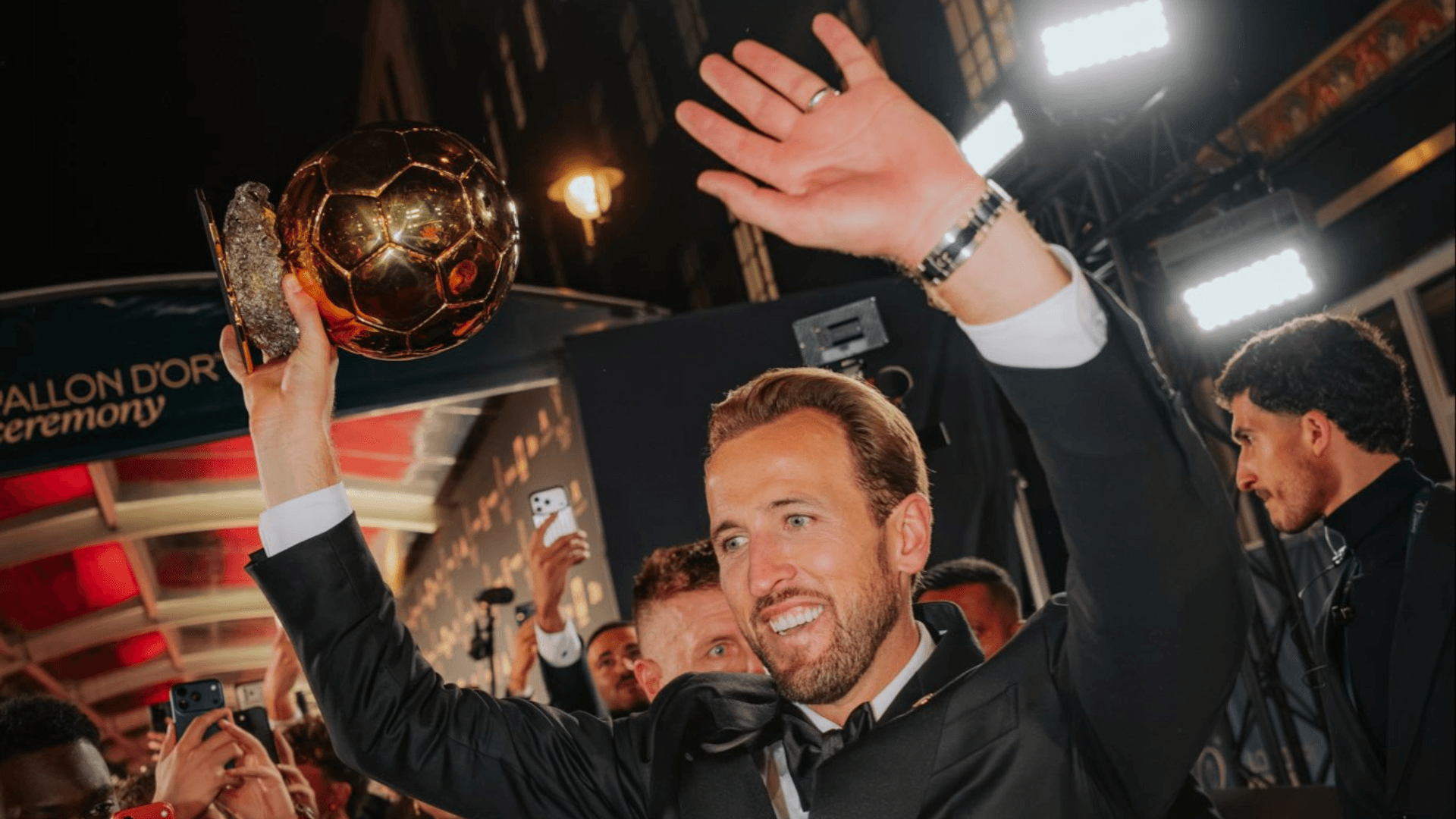
Harry Kane, meanwhile, has become one of the most celebrated English players of the modern era, with his goalscoring records and international achievements placing him firmly among the country's leading forwards. Yet he has not won the Ballon d’Or.
Owen's success remains particularly significant because he is still the last Englishman to claim the award.
Why has Owen's achievement been overlooked?
Part of the explanation could lie in the timing of Owen's victory and the way football was viewed in England at the turn of the century.
The striker won the 2001 Ballon d’Or after an outstanding season with Liverpool, scoring 31 goals and helping the club secure an impressive collection of silverware.
Gerard Houllier's side won the FA Cup, League Cup and UEFA Cup treble, alongside the Charity Shield and UEFA Super Cup. Owen was central to that success, producing decisive performances in some of Liverpool's biggest matches.
His two late goals against Arsenal in the FA Cup final helped Liverpool secure a dramatic 2-1 victory, before the club completed its European campaign with a 5-4 win over Alavés in the UEFA Cup final.
Owen finished the Ballon d’Or voting with 176 points, ahead of Real Madrid's Raúl on 140 and Bayern Munich goalkeeper Oliver Kahn on 114. David Beckham finished fourth.
It was an achievement that placed him among the very best players in European football, but his subsequent career may have complicated how he is remembered.
His departure from Liverpool for Real Madrid in 2004 was a significant moment, particularly for supporters who had watched him develop into one of the club's most important players.
Owen later returned to England with Newcastle United before joining Manchester United in 2009, a move that inevitably affected his relationship with sections of the Liverpool fanbase.
His relatively understated personality may also have played a part. Unlike some of the more outspoken figures in football, Owen has rarely been someone who actively seeks the spotlight or repeatedly promotes his own achievements.
None of these factors should diminish what he accomplished in 2001, but they may help explain why his Ballon d’Or victory does not always receive the same attention as those of other English greats.
England's last Ballon d’Or winner deserves his place in history
There is no denying that Owen's career contained its share of setbacks, particularly with injuries affecting his ability to maintain the extraordinary standards he established at a young age.
However, judging his entire legacy through the latter stages of his career risks overlooking just how special his peak was.
At Liverpool, he became one of Europe's most dangerous forwards, combining exceptional pace, intelligent movement and a ruthless finishing ability that made him difficult to defend against.
His international career also included some memorable moments, most notably his hat-trick against Germany in England's famous 5-1 World Cup qualifying victory in Munich in September 2001.
That performance came just months before he collected the Ballon d’Or, further strengthening his reputation as one of the continent's outstanding attacking players.
Owen's own comments demonstrate that he remains immensely proud of the achievement, even if he feels it has not always received the recognition it deserves.
With England still waiting for its next Ballon d’Or winner, his place in the country's footballing history should not be understated.
Matthews, Charlton and Keegan are rightly celebrated for their achievements, while Kane continues to build his own legacy. Owen belongs in that conversation too.
Winning the Ballon d’Or is an extraordinary accomplishment, and the fact that he remains the last Englishman to do so makes his achievement all the more remarkable.