For over two decades, Italian football has struggled with outdated infrastructure, overly cautious tactical approaches and a reputation as a destination for players nearing the end of their careers.
However, as preparations for Euro 2032 gather momentum, Serie A looks like it is finally on course to undergo revival.
Now, an influx of exciting young talent and a more adventurous approach to coaching are helping to produce more entertaining, high-scoring football.
After a difficult period for Italian football, epitomised by the Azzurri's failure to qualify for three consecutive FIFA World Cups, the recent improvement in Serie A could signal a brighter future for the domestic game.
Striver.Football profiles five reasons Serie A looks like it is on the rise again.
Young talent is changing Serie A's image
Serie A’s long-standing image as a destination for veteran players is being actively challenged by a surge of high-ceiling youth prospects.
However, breakout profiles such as Nico Paz, Pio Esposito, and Kenan Yildiz are taking center stage for their respective clubs.
Domestic Italian prospects, including forward Antonio Raimondo, are attracting attention as the national team looks to build for the future.
Italian legend Alessandro Del Piero has previously argued that restrictive coaching, rather than a lack of raw talent, has held young players back in Italy.
A newfound willingness across Serie A managers to trust youth and embrace proactive, attacking principles is providing the foundation for sustainable growth.
Read More: Ranked: The 10 Best Serie A Wonderkids to Watch in 2026-27
Attacking football is making Serie A more entertaining
While Serie A cannot match the Premier League's financial muscle or transfer spending, Italian clubs are pursuing an alternative route to competitiveness through smart recruitment and more adventurous tactical approaches.
Serie A matches are averaging more than three goals per game, highlighting the league's increasingly attacking style. Frosinone and Lazio have scored 24 league goals each, while Inter have 26 and Roma lead the way with 28.
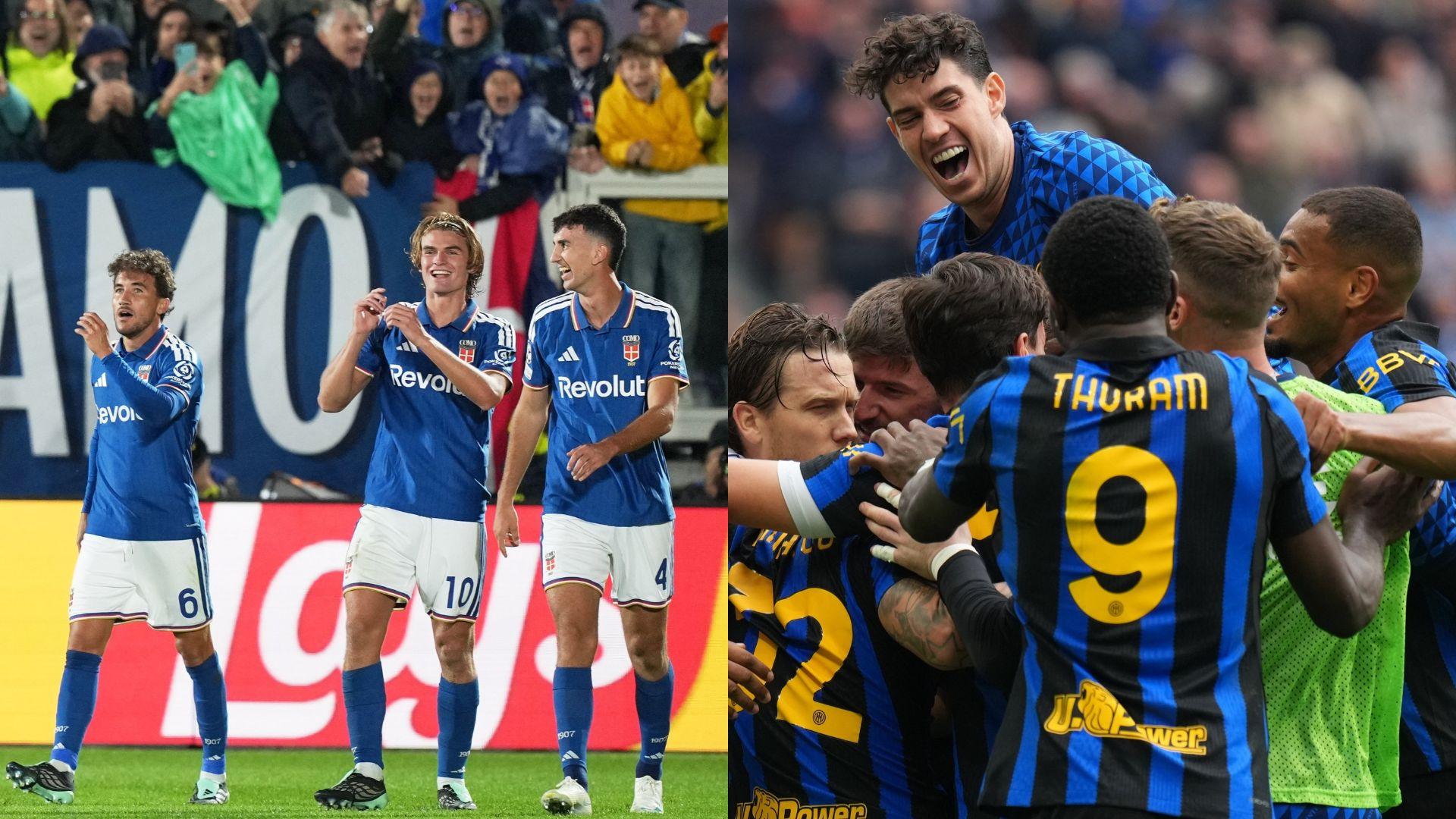
The Milan derby is another example of the intensity and unpredictability that have become defining features of the league.
Competitive balance remains exceptional, with just five points separating the top four sides in the table.
Italian clubs are showing signs of a European revival
Italian football has faced a difficult period in Europe, with its clubs under pressure to prove that Serie A can compete consistently with the continent's strongest leagues.
With no Italian club lifting the European Cup in 16 years, the outlook appeared grim.
However, Italian clubs have shown that they can still compete on the European stage, with positive results offering encouragement amid wider concerns about the country's footballing structures.
While structural challenges remain, this continental resilience underlines a league actively pulling itself out of crisis.
Euro 2032 is driving Italy's stadium modernisation
The joint award of UEFA Euro 2032 to Italy and Turkey has acted as the long-awaited catalyst for modernising Italy's stadium infrastructure. For years, bureaucratic red tape delayed club-owned arena projects.
With Euro 2032 providing a clear deadline for progress, proposed stadium upgrades and new venue projects could help Italian clubs improve matchday revenues and narrow the financial gap with Europe's leading leagues.
Read More: AC Milan and Inter Reveal Plans for New 71,500-Seat Stadium to Replace San Siro
A new generation of coaches is changing Serie A
The modern Italian coaching tree is no longer defined purely by defensive rest-structures and low blocks. Guided by progressive tacticians across the league, including Como who have gone from a Serie B outfit to a certified Champions League calibre side and Frosinone, Serie A has become one of Europe's premier tactical laboratories.
High pressing, positional rotations and vertical build-up play are becoming more visible across the league, helping to create a more entertaining product for supporters.
Serie A's path back to the top tier of European football might not be straightforward given the financial gap with the Premier League, but the product on the pitch has undergone a significant transformation.
By committing to brave youth development, embracing high-volume attacking tactics, and leveraging the structural runway of Euro 2032, Italian football is building a sustainable framework for the future.
If Serie A clubs continue to combine tactical ambition with meaningful infrastructure improvements, the league could strengthen its position among Europe's leading competitions.