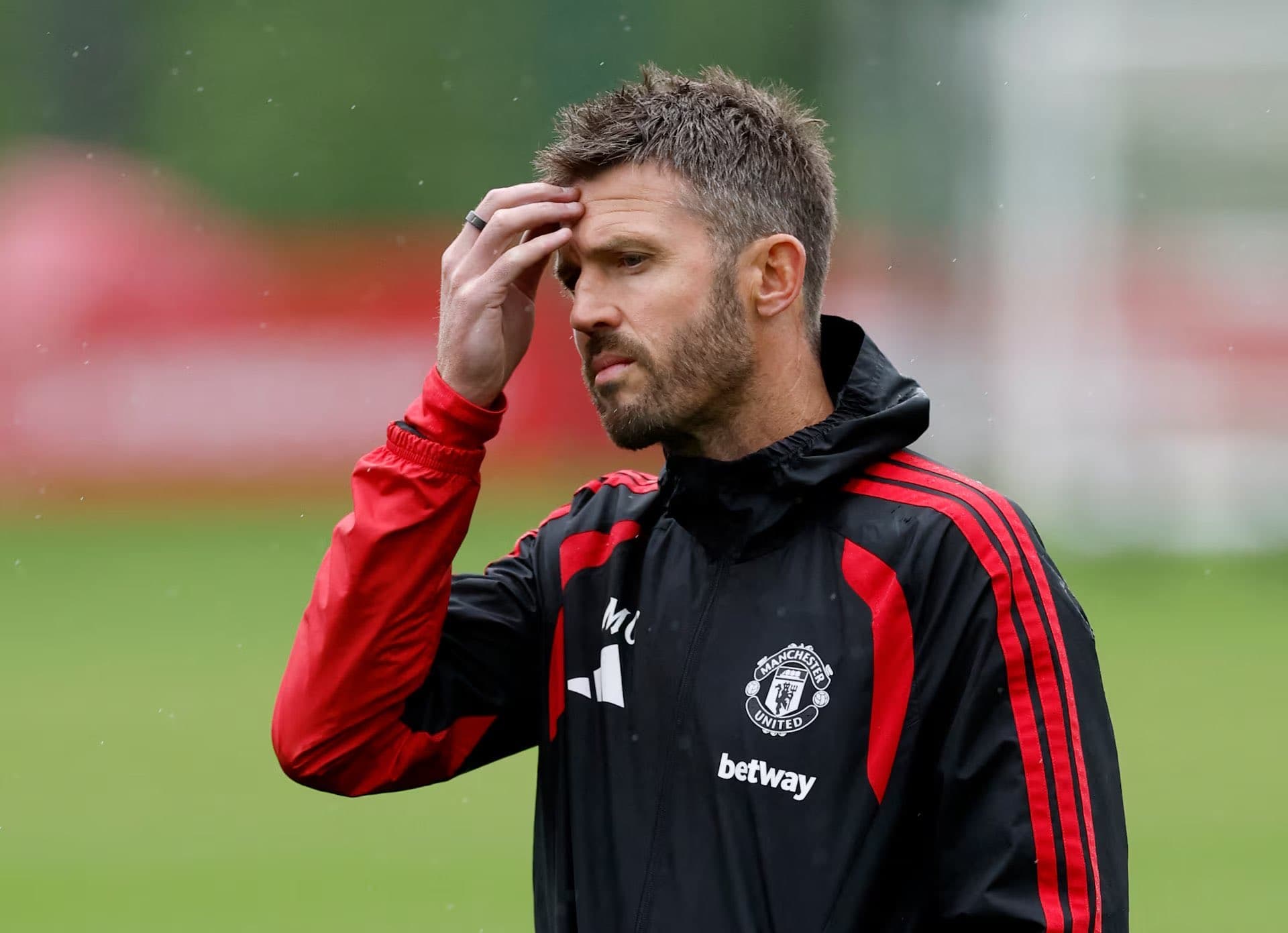
Manchester United ended a nine-game winless run with an improbable comeback against AS Roma in the UEFA Champions League in midweek, briefly easing the pressure on head coach Michael Carrick.
The Red Devils are not in the clear yet, and as previous experiences have pointed out, the international break is a precarious period for under-fire managers.
They face Aston Villa in the Premier League this weekend before the league goes into a recess for players to join their respective national teams. An unfavourable result against the Villans would almost certainly spell the end of Carrick's spell at Old Trafford.
Identifying the ideal managerial profile to steer a big club through turbulent waters requires moving beyond traditional candidates to capture true tactical innovators who would disrupt the status quo.
As a result of this, United must look outside the box for a replacement for Carrick, straying away from their primary targets to replace the Englishman.
Unai Emery out of reach: Why United must shift focus to Fabregas
For months, Manchester United’s boardroom hierarchy viewed Unai Emery as the primary target to replace Carrick in the Old Trafford dugout, according to reports.
The Spaniard's proven track record of European success and structural consistency made him an attractive, plug-and-play solution.
However, that window of opportunity has officially slammed shut after Emery’s decision to commit his long-term future to Aston Villa via a lucrative contract extension.
The Red Devils have been linked with the likes of Eddie Howe, Julian Nagelsmann, and Antonio Conte, but they should be looking in a completely different direction for their next manager.
Rather than chasing another established mid-career candidate who may require complex buyouts, they must pivot aggressively toward Como manager Cesc Fabregas.
Lauded by John Terry as possessing the "best football brain" of his generation, Fabregas has rapidly translated his elite spatial awareness, positional understanding, and tactical foresight into management.
This week, his Como side became only the second side in Champions League history to score nine times in a game as they defeated Lens 9-1 away from home.
With major European clubs already monitoring his contract clause at Como, United must act decisively before his stock soars entirely out of reach.
Following the Alonso and Arteta blueprint: The rise of modern Spanish prodigies
In Europe these days, young Spanish coaches appear to be highly sought-after in club and national teams.
Xavi is in charge of the Dutch national team, while the likes of Mikel Arteta, Xabi Alonso, Andoni Iraola, and Alvaro Arbeloa are all Premier League coaches.
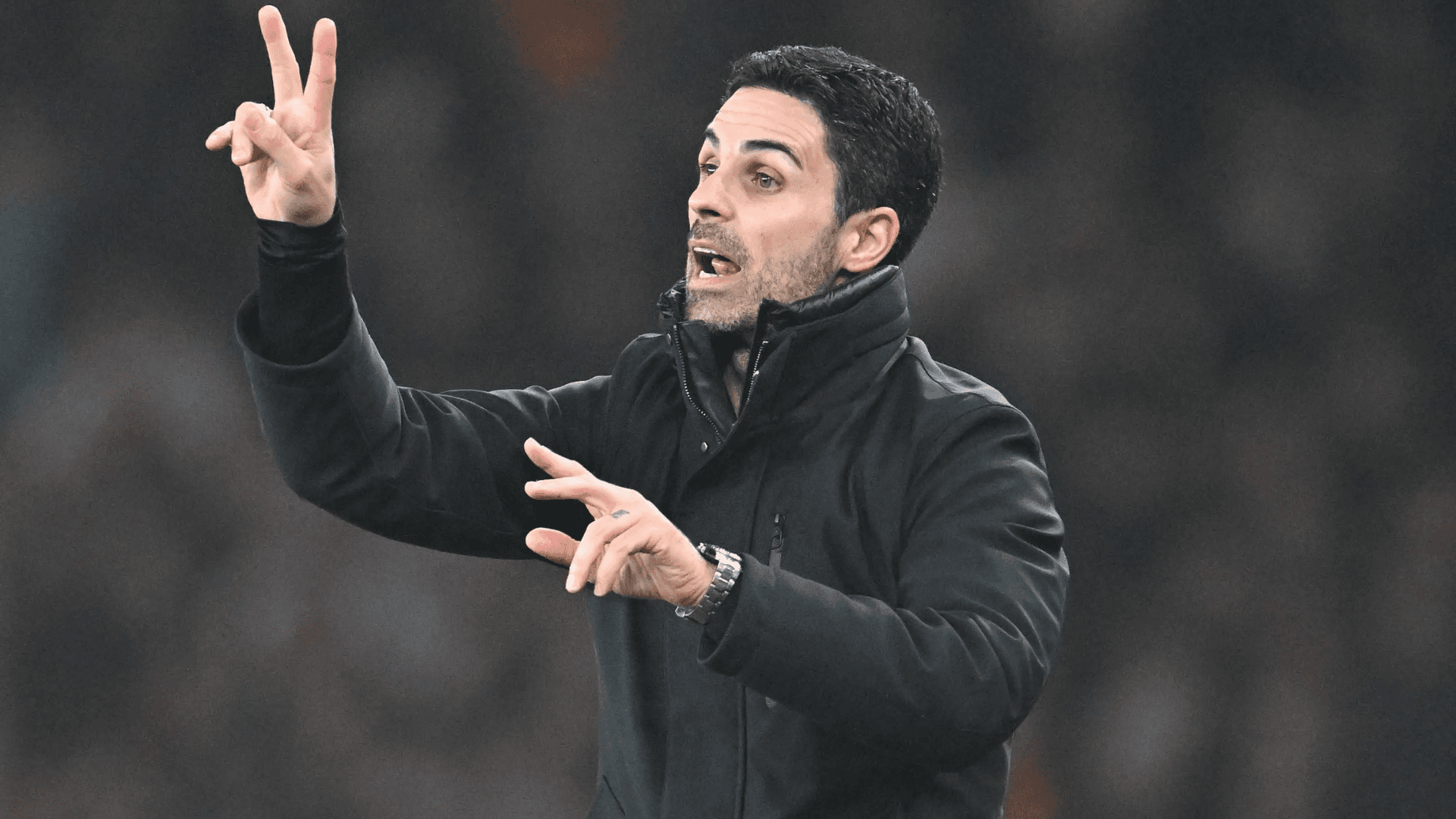
The most relatable examples for the Red Devils at present are those of Chelsea boss Alonso and his Arsenal counterpart Arteta.
The impressive success of Alonso at Bayer Leverkusen and Arteta at Arsenal has redefined modern European football management at the highest level.
Both managers were employed as rookies and charged with instituting change to their respective teams, and they managed to do so admirably well.
On the pitch, they transformed their respective clubs by instilling positional play, high-intensity pressing, and unwavering tactical clarity, and Fabregas represents the natural continuation of this elite Spanish coaching lineage.
Having played under visionary managers like Arsene Wenger, Pep Guardiola, and Jose Mourinho, Fabregas possesses a rare hybrid philosophical foundation, combining Barcelona's possession principles with Premier League/Italian pragmatism.
Comparing his early coaching trajectory to Alonso and Arteta highlights striking parallels. Like Alonso's rapid impact in the Bundesliga and Arteta's methodical rebuild in North London, Fabregas has demonstrated an innate ability to elevate individual player profiles while building a cohesive team identity in his Como team.
For United, losing out on Fabregas would mean ceding the Premier League’s next great tactician to a continental rival.
The Como blueprint: Proving elite tactical identity and total command
Fabregas was involved in bringing Como from the Serie B to Serie A and then securing sensational UEFA Champions League qualification, proving that his managerial credentials are no longer theoretical.
His team’s fluid 4-2-3-1 and 3-2-5 attacking structures dominated Serie A stalwarts through courageous build-up play, intelligent half-space overload, and ruthless transition defense.
What makes his Como tenure particularly instructive for Manchester United is the structural authority he exercised since becoming the manager of the club.
The Spaniard did not simply coach the first team; he shaped the club’s sporting identity, talent recruitment filters, and tactical culture across all levels.
His ability to mold a mid-tier side into a dominant, proactive force by correct player recruitment and youth promotion proves that his football intellect translates seamlessly into tangible touchline results.
What Manchester United must do to make it work
If Manchester United are to successfully lure Fabregas to Old Trafford and unlock his full potential, the INEOS-led executive board must address their own internal governance structure.
First, the 39-year-old must be appointed as a manager, rather than just a head coach, making it easy for him to influence various departments around the club.
Fabregas thrives when granted the autonomy to dictate tactical systems, influence transfer profiles, and establish dressing room discipline without micro-management from corporate executives.
Historically, micro-management and committee-driven recruitment have hindered successive Manchester United managers, the latest one being Ruben Amorim.
To attract a visionary thinker who has already turned down approaches from major Serie A clubs due to project constraints, the United board must relax their stranglehold on sporting decisions by first naming him as a manager, rather than just a head coach.
Empowering Fabregas with total tactical and squad control is not a risk, it is the essential prerequisite for rebuilding Old Trafford into a dominant European superpower.
INEOS can repeat what Chelsea with Alonso did by appointing a manager who played for their rivals back in the day, and it would not be a slight on the club, as a whole.