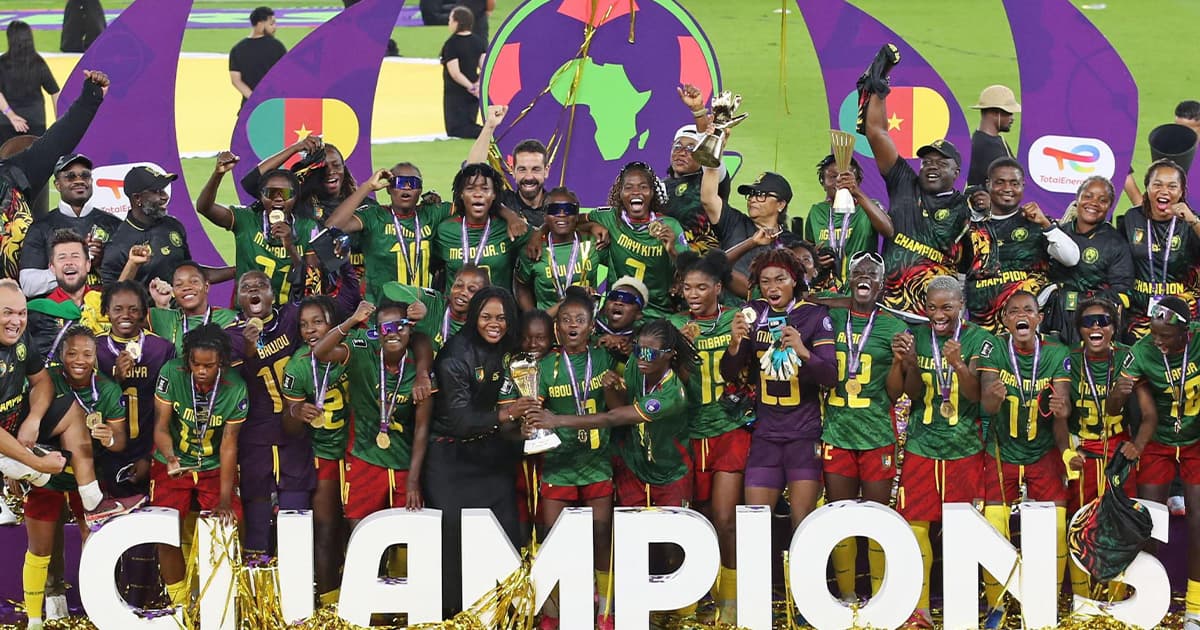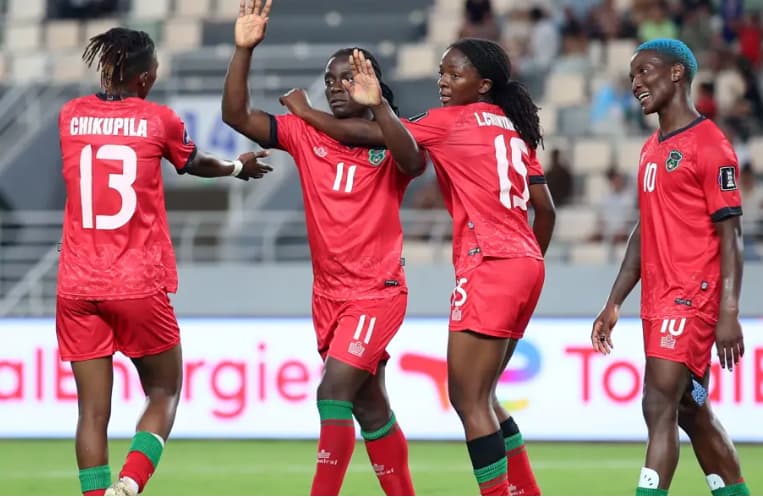

Fans, players, coaches and pundits were left stunned after the final whistle during the game between Zambia and Malawi during their 2026 Women’s Africa Cup of Nations (WAFCON) clash.
Zambia had just beaten Malawi 2-1 to finish on six points with the best overall goal difference in Group C. Many believed they had done enough to qualify.
Yet, as the stadium speakers blared celebration songs for Malawi and Nigeria, the crushing reality set in: Zambia was out of WAFCON 2026.
How could a team with such a healthy goal difference go home while teams with inferior overall margins moved on? Here's exactly how CAF's tiebreaker system eliminated one of the tournament favourites.
Read More: 5 Takeaways From WAFCON 2026 Day 11 as Odd Rule Crashes Zambia Out of Group C
Why Zambia Were Eliminated Despite Finishing on Six Points
Zambia fell victim to a crucial nuance in CAF’s tournament regulations. Malawi, Nigeria, and Zambia all finished the group stage tied on six points each.
Under CAF’s rigid tie-breaking rules, overall goal difference across all group matches is discarded when three or more teams finish tied on points.
Instead, CAF creates a mini-league using only the matches played between the tied teams, completely erasing results against the bottom team (Egypt) from the calculation.
Within this isolated three-way triangle, every team possessed three points and a neutral goal difference of zero. The tie-breaker then came down to head-to-head goals scored in matches between the tied teams.
Zambia were eliminated by just one goal in the head-to-head goals scored tiebreaker.
How CAF's Head-to-Head Rule Worked Against Zambia
While Zambia’s attack was lethal against Egypt, their 1-0 slip-up against Nigeria’s Super Falcons proved fatal to their head-to-head tally.
When Malawi pulled off a thrilling 3-2 upset over Nigeria, the tiebreaker scenario was effectively decided. Zambia’s fighting 2-1 victory over Malawi in their final match was heroic, but under the mini-league math, it was exactly one goal short of what they needed to survive.
Why Zambia's WAFCON Exit Is Such a Major Blow
The elimination feels particularly tragic given the context of Zambia’s meteoric rise over the past decade. The Copper Queens transformed into a global powerhouse through sheer grit and generational talent.
They captured the hearts of neutrals at the Tokyo 2020 Olympics, claimed bronze at WAFCON 2022, and made a historic debut at the 2023 FIFA Women’s World Cup. Driven by world-class forwards and a fearless attacking style, they entered this tournament expecting to conquer.
Because WAFCON 2026 doubles as the primary qualification route for the 2027 FIFA Women’s World Cup, this group-stage exit deals a devastating blow to Zambia's global ambitions.
What Happens Next for Malawi, Nigeria and Zambia
Malawi advances as surprise group winners, infused with the belief that they can dethrone the continent's traditional giants.
Nigeria narrowly escapes the calculation nightmare as runners-up, looking to recalibrate their veteran squad for high-stakes knockout football.
For Zambia, the focus now shifts from mourning a mathematical technicality to rebuilding for the future, ensuring that this bitter night in Morocco becomes the catalyst for their next great comeback.